
درباره سایت
آخرین مطالب
- Benefits of Using White Talc in Paint and Resin Formulations
- كيفية اختيار التلك الصناعي المناسب لصناعتك
- سیلیس چیست؟ راهنمای جامع کاربردهای این ماده معدنی در صنایع مختلف
- السيليكا أم البنتونيت؟ أي معدن مناسب لصناعتك؟
- 7 Applications of Industrial Talc in Various Industries You Should Know
- مزایای استفاده از تالک سفید در فرمولاسیون رنگها و رزینها
- التطبيق المتخصص لكربونات الكالسيوم المغلفة في صناعة أعمدة الأبواب والنوافذ
- What is White Talc? Applications and Benefits of This Mineral in Industries
- What is the Difference Between Silica and Calcium Carbonate in Manufacturing Industries? A Complete Review
- تالک صنعتی یا کربنات کلسیم؟ مقایسه کاربرد و قیمت در صنعت
امکانات وب
Introduction: Why Is Choosing the Right Mineral Powder Crucial?
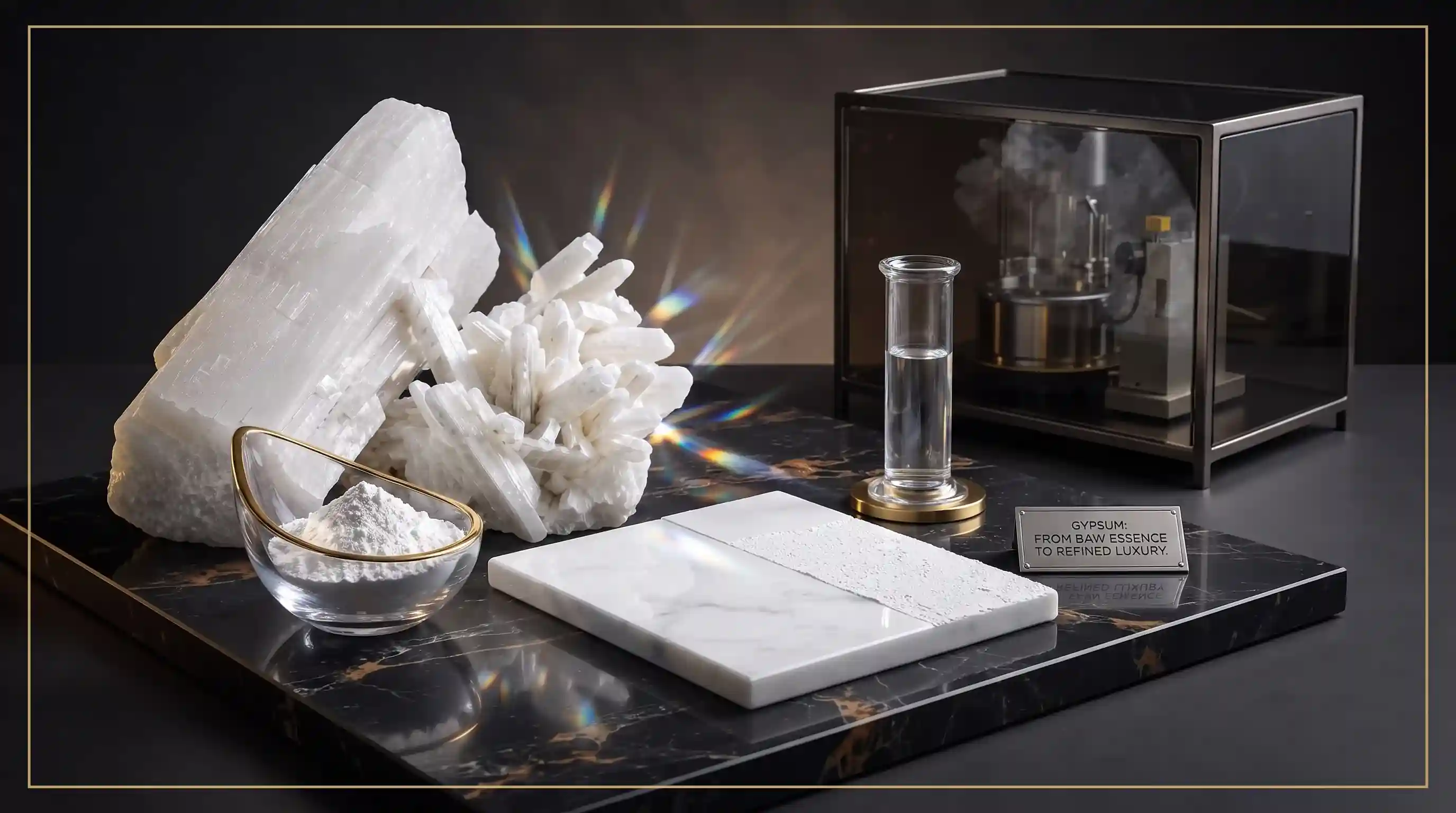
In mode industries, choosing the right mineral filler plays a key role in the quality of the final product. Due to its specific physical and chemical properties, white barite is one of the most popular materials in the paint and polymer industries. In this article, we provide an expert review of white barite compared to calcium carbonate. To get acquainted with the technical specifications of this product, you can visit the White Barite page. This powder is produced with a precise mesh size ranging from 450 to 2500 mesh, enabling its use in precise industrial applications. Our goal is to examine the position of this material alongside other minerals.
What Is White Barite and What Are Its Properties?
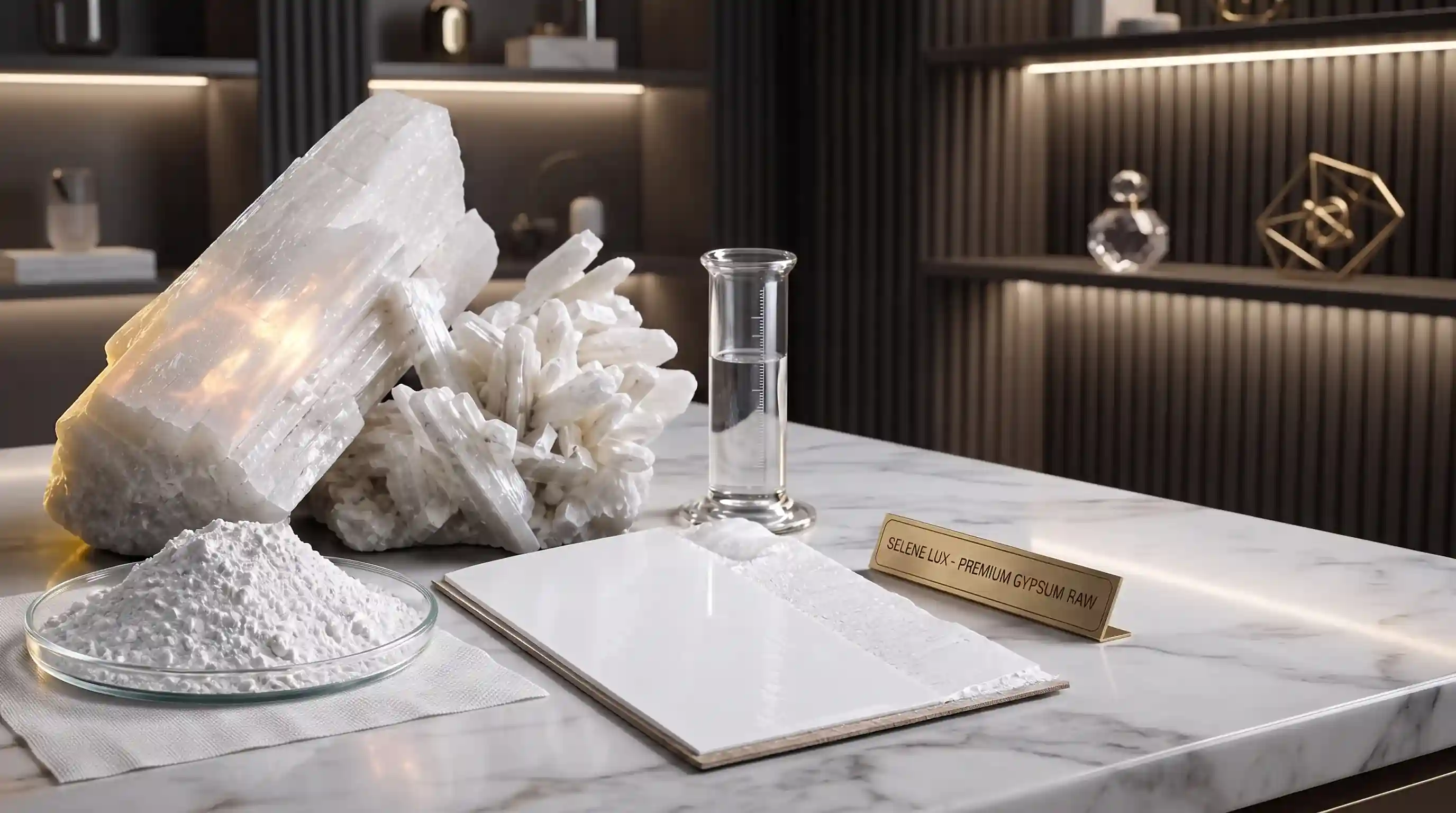
White barite is a mineral with high density and excellent chemical inertness. Unlike some fillers, this material is highly stable against environmental factors. Precise granulation within the range of 450 to 2500 mesh ensures that particle distribution in the paint or polymer matrix is very uniform. Its resistance to acids and bases, as well as its high refractive index, makes this product a smart choice for industrial coating manufacturers. A proper understanding of the nature of this material is the first step toward optimizing industrial formulations.
Calcium Carbonate vs. White Barite: Fundamental Differences
Calcium carbonate is the most widely used filler in the world, but white barite excels in applications requiring heavy weight and high chemical resistance. For a more detailed understanding of barite's main competitor, reading the expert guide to comparing coated calcium carbonate types in the market is recommended. While calcium carbonate is very cost-effective, white barite is considered a luxurious and technical substitute for improving the final quality of products due to its high specific gravity and non-reactivity in corrosive conditions.
Application of White Barite in the Paint and Coating Industry
In the paint industry, using the right filler has a direct impact on gloss, hiding power, and abrasion resistance. Due to its high refractive index, white barite helps increase brightness and acts as an anti-corrosion agent in resin-based coatings. In addition to visual characteristics, using this powder in traffic or industrial paints increases the durability of the final layer against traffic and weather conditions. This material easily blends with various resins and imparts appropriate viscosity to the product.
The Role of Barite in Improving Polymer Products
Polymers reinforced with white barite exhibit superior mechanical properties. As a mineral filler, this material improves dimensional stability and provides anti-wear properties during manufacturing processes. The importance of powder purity and uniformity in this field is extremely high. To ensure the quality of raw materials in the factory, understanding qualitative differences is essential; in this regard, the article how to identify original calcium carbonate powder? can provide valuable insights into how to evaluate the purity of mineral powders.
Production Standards and Granulation of Barite Powder
Producing powder in the 450 to 2500 mesh range requires advanced micronization technology. Due to its medium hardness, white barite exhibits specific behaviors during the milling process. Accuracy in granulation has a direct impact on the rheological behavior of the paint or polymer. The higher the mesh size of the powder, the finer the particles and the greater the surface contact area, which leads to enhanced reinforcing properties in the final products. Quality control of this process is carried out by Kani Sang Amiran with high precision to meet the needs of specific industries.
Proper Management and Storage in Factories
Proper storage of mineral powders like white barite is essential to maintain quality and prevent caking. Ambient moisture can reduce the performance of these fillers in chemical formulations. To lea standard protocols in this field, reading the comprehensive guide to warehousing and storage of industrial white barite powder is mandatory. By adhering to warehousing principles, the shelf life of the product is guaranteed, and waste costs on the production line are significantly reduced.
Conclusion: A Smart Choice for Competitive Markets
With its unique properties, white barite is the first choice for advanced industries. Although calcium carbonate holds a large market share, for manufacturers seeking quality superiority, chemical stability, and improved mechanical properties, using white barite is a strategic investment. By properly understanding the project's needs and matching them with the technical properties of the powder, the highest standards in production can be achieved. By providing standard products, Kani Sang Amiran Company accompanies you on the path of upgrading the quality of industrial products.
| Question | Answer |
|---|---|
| What is white barite? | It is a mineral with high density and excellent chemical resistance for paints and polymers. |
| What is the mesh range of barite? | This powder is produced in the range of 450 to 2500 mesh. |
| What is the difference between barite and calcium carbonate? | Barite has higher chemical resistance and greater density compared to calcium carbonate. |
| Is barite used in paint? | Yes, it is used as a filler to increase brightness and durability. |
| Is barite powder anti-wear? | Yes, it increases the mechanical resistance of polymer products. |
| What is the best application for barite? | Paint industries, industrial coatings, and mineral polymer products. |
| Why is mesh size important? | It directly affects dispersibility and performance in resin. |
| Does barite powder require special storage? | Yes, to prevent moisture, it must be stored in a dry and standard environment. |
| Is Kani Sang Amiran a manufacturer? | Yes, a specialized manufacturer of high-standard mineral powders. |
| How can we order barite? | It can be pursued through the product page on the Kani Sang Amiran website. |
Scientific sources and mineralogical standards were used to compile this article.
برچسب: White Barite,Expert Comparison of White Barite and Calcium Carbonate in the Powder Industry,
نویسنده: رساوب آفرین