
درباره سایت
آخرین مطالب
- معايير جودة الباريت الأبيض؛ 5 عوامل رئيسية في التقييم
- Applications of White Talc in Plastic Production and Industrial Polymer Industries
- Applications of Coated Calcium Carbonate in Chemical and Plastic Industries
- What is Coated Calcium Carbonate? A Guide to Its Application in the Construction Industry
- كيفية اختيار كربونات الكالسيوم المطلي بناءً على التدرج الحبيبي
- How to Choose High-Quality White Barite: Key Purchasing Tips
- استانداردهای دانهبندی تالک سفید برای مصارف گوناگون در صنایع
- White Talc in the Construction Industry: Its Applications and Key Features
- Industrial Barite or Calcium Carbonate? A Complete Comparison of Applications and Benefits
- استانداردهای کیفیت باریت صنعتی و روشهای آزمایش و کنترل آن
امکانات وب
Introduction to Kaolin and Its Importance in Mode Industries
Kaolin mineral is one of the most widely used hydrated aluminum silicates, which holds a special place in various industries due to its unique physical and chemical characteristics. Understanding the structure and properties of this material provides the groundwork for optimal utilization in the production of advanced products. In electronics, ceramics, and coating industries, the use of high-quality and standard raw materials is of utmost importance. With its layered structure and appropriate purity, kaolin is recognized as a vital base material capable of improving the mechanical and electrical properties of final products.
Kani Sang Amiran collection, through precise mineral processing, has made this valuable material accessible with standard technical specifications. The use of suitable and controlled granulations helps various industries achieve maximum efficiency. This mineral is not only used in the manufacturing of traditional parts but also has numerous applications in mode technologies, which we will examine in various dimensions below.
To lea more about the technical details and specifications of this mineral, you can visit the specialized Kaolin page to obtain complete information about its quality and processing. Choosing the right raw materials is the foundation of successful industrial production, and this material has managed to meet the necessary standards in this field.
An examination of the physical properties of this material shows that its heat resistance, lack of electrical conductivity, and chemical stability make it an ideal choice for sensitive applications. Relying on these properties, engineers and industrial designers can produce more durable and safer products that perform better in industrial and electronic environments.
The Role of Kaolin in Tile, Ceramic, and Glaze Industries
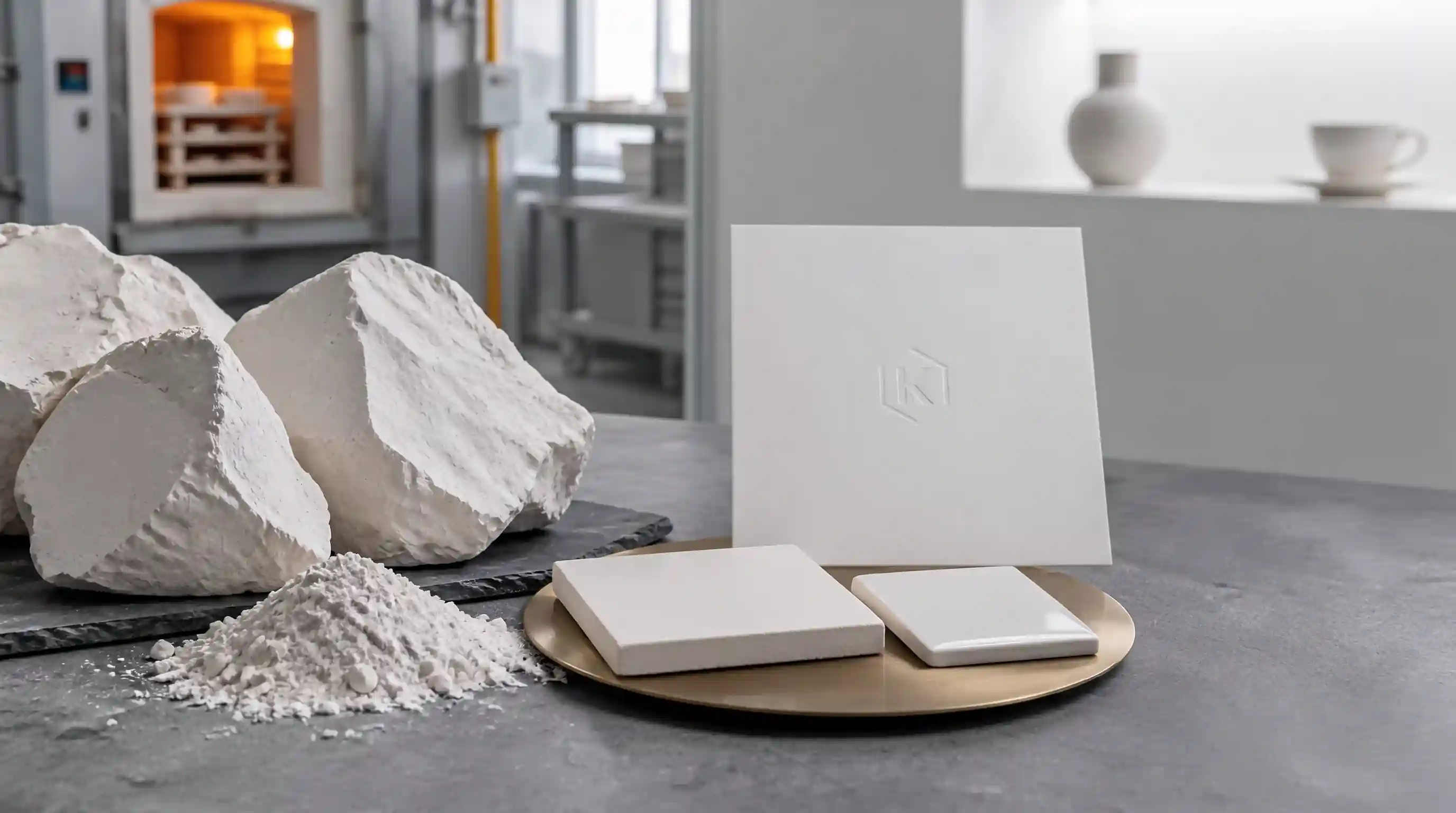
The ceramic and tile industry is one of the primary consumers of micronized minerals. Meanwhile, kaolin acts as the main component of ceramic bodies and glazes. The 450 to 1500 mesh range offered by Kani Sang Amiran allows particles to be incorporated into the ceramic body composition with the highest degree of distribution and uniformity. This greatly helps reduce cracking potential, increase mechanical strength, and improve the thermal stability of products.
In glaze formulations, the presence of this material leads to improved adhesion of the glaze layer onto the ceramic body and creates a smooth, flawless surface. The fine particles of this material fill empty spaces, creating a dense surface resistant to moisture and chemical penetration, which is essential for high-standard wall and floor tiles.
Additionally, color stability and thermal stability in the kiln are other advantages of using this mineral. The tile and ceramic firing process requires withstanding high temperatures without structural deformation, and this material, with its appropriate melting point, guarantees the dimensional stability of parts throughout the firing process. These features have led large manufacturing plants to constantly seek high-quality raw materials supply.
Furthermore, the precise preparation and milling process of minerals has a direct impact on the final quality of the glaze. Using micronized powders with appropriate granulation prevents the formation of bubbles and uneveess on the glaze surface, significantly increasing the beauty and durability of the final product.
Applications of Kaolin in the Papermaking Industry
The papermaking industry is another key area for the consumption of this mineral. In paper production, kaolin is used as a filler and surface coating to improve the optical and mechanical characteristics of the paper. The use of this material increases the brightness, opacity, and smoothness of the paper surface, which is crucial for high-quality printing.
The micronized particles of this material are well distributed among the cellulose fibers of the paper, filling the empty pores. This not only optimizes ink consumption during printing but also makes the paper surface resistant to ink penetration to the back of the page. For this reason, papers coated with this material have higher print clarity.
On the other hand, improving the gloss and smoothness of the paper surface is made possible through coating with this mineral. Papermaking factories, by utilizing powders with appropriate granulation, can produce products with global standards that have widespread applications in publishing, packaging, and digital printing industries.
Precise control of particle size within high mesh ranges helps ensure that no coarse particles remain on the paper surface, allowing the printability process to be carried out with the lowest level of defects. This demonstrates the importance of mineral processing quality in mode industries.
Application of Kaolin in Paint and Industrial Coatings Industries
In the paint industry, this material acts as a functional and effective extender and pigment. For further reading in this field, you can study the specialized article Application of Kaolin in Paint and Industrial Coatings to become more familiar with the details of its role in improving coverage. The presence of this material in paint formulations helps improve viscosity, control gloss, and increase the durability of the paint film.
Fine kaolin particles help distribute pigments uniformly within the paint matrix and prevent premature settling of solids in the paint container. This feature increases product shelf life in storage and makes its application easier for painters and craftsmen. Moreover, resistance to atmospheric and chemical agents is another benefit of using this material in architectural and industrial paints.
Industrial coatings exposed to harsh environmental conditions require raw materials that guarantee the adhesion and durability of the coating layer. By creating a compact structure in the paint layer, this mineral prevents the penetration of moisture and oxygen to the underlying surface and inhibits metal corrosion.
The optimal use of this material in various water-based and solvent-based paints creates a proper balance between cost and functional performance, which is why it has always been favored by paint industry formulators.
The Role of Kaolin in Insulation and Electronics Industries
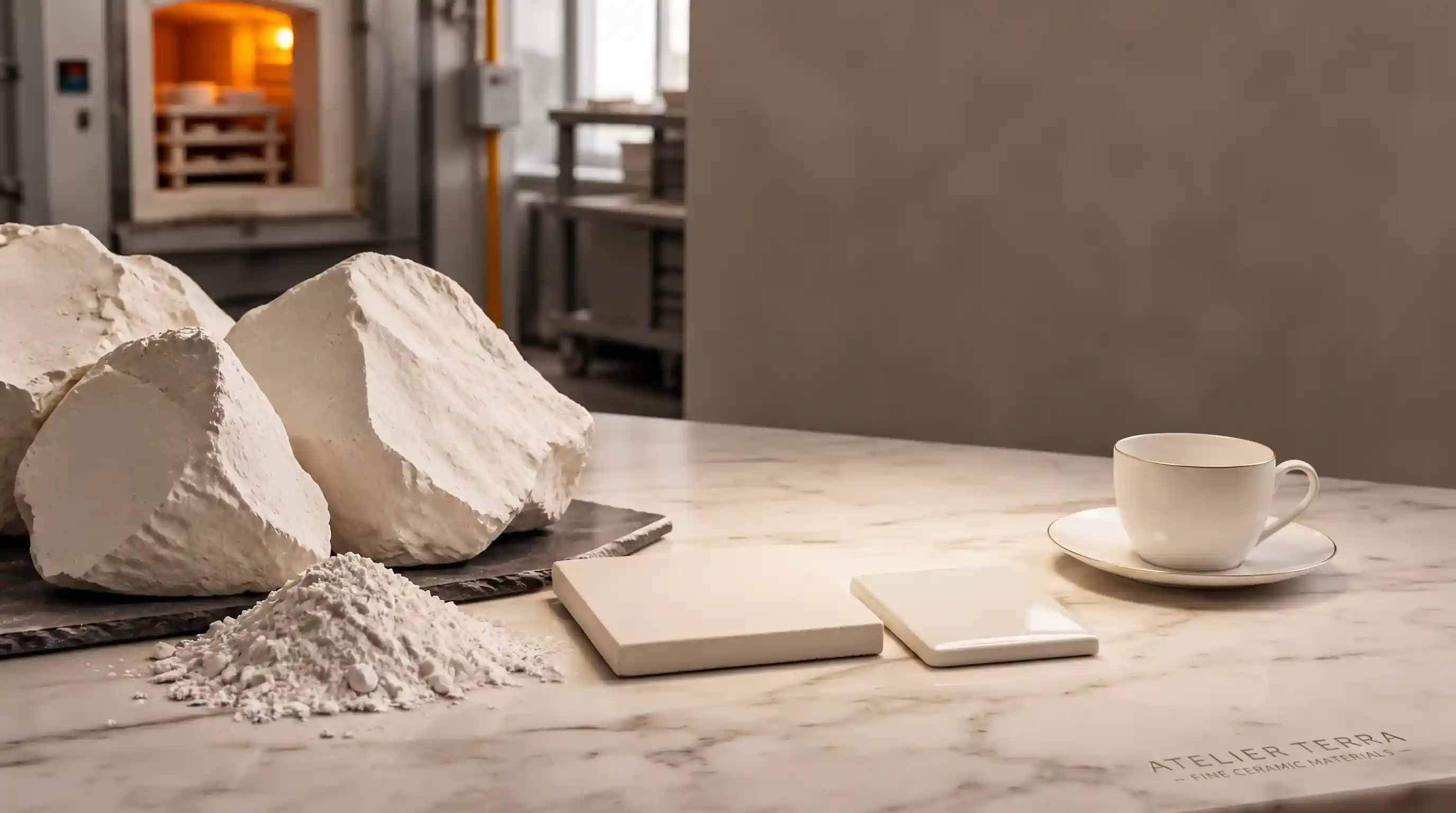
The electronics and insulation equipment industries are heavily in need of raw materials with desirable dielectric properties and high thermal resistance. Due to its stable chemical structure and lack of electrical conductivity, kaolin plays a key role in manufacturing electrical insulation parts. This material is used in the production of electronic ceramics, circuit boards, and heat-resistant coatings.
In the production process of electrical insulators, the purity of raw materials is of vital importance because the presence of impurities can severely weaken insulation properties. The use of micronized powders of this mineral ensures that the final part has structural integrity and possesses the necessary resistance against high voltages and thermal variations.
Additionally, in the production of specialized concrete and engineering infrastructure-related products, the presence of these minerals can help improve protective properties. To gain more information in this regard, take a look at the article The Role of Kaolin in Pipe Making and Concrete Products to become familiar with its industrial coections.
The high thermal stability of this material makes it a suitable choice for manufacturing electric fuace bodies, flame-resistant parts, and petrochemical equipment that operate at high temperatures and require the preservation of mechanical and electrical stability.
The Impact of Kaolin on Glass and Silicate Materials Industries
Mineral and chemical industries have a high dependency on sources supplying silica and alumina. Although the role of iron oxide in certain glassmaking industries is very prominent, as examined in the article The Role of Red Iron Oxide (Ochre) in Glass Manufacturing Industries, kaolin in its own right is also considered a rich source of aluminosilicate for melting and silicate product manufacturing processes.
In some production processes of specialized glasses and engineering ceramics, the presence of alumina compounds helps increase the mechanical and chemical resistance of the glass. By supplying a portion of this requirement, this mineral improves the quality of the glass network structure.
Precise knowledge of the chemical composition of raw materials and their interaction with other components in the kiln enables engineers to produce products with optimal transparency, strength, and thermal resistance. Quality control of minerals prior to entering the production line minimizes potential errors.
Therefore, using this processed mineral alongside other mineral oxides is considered a standard approach in advanced glass manufacturing and engineering ceramic industries, helping to optimize formulation.
Standards, Meshing, and the Importance of Kaolin Processing
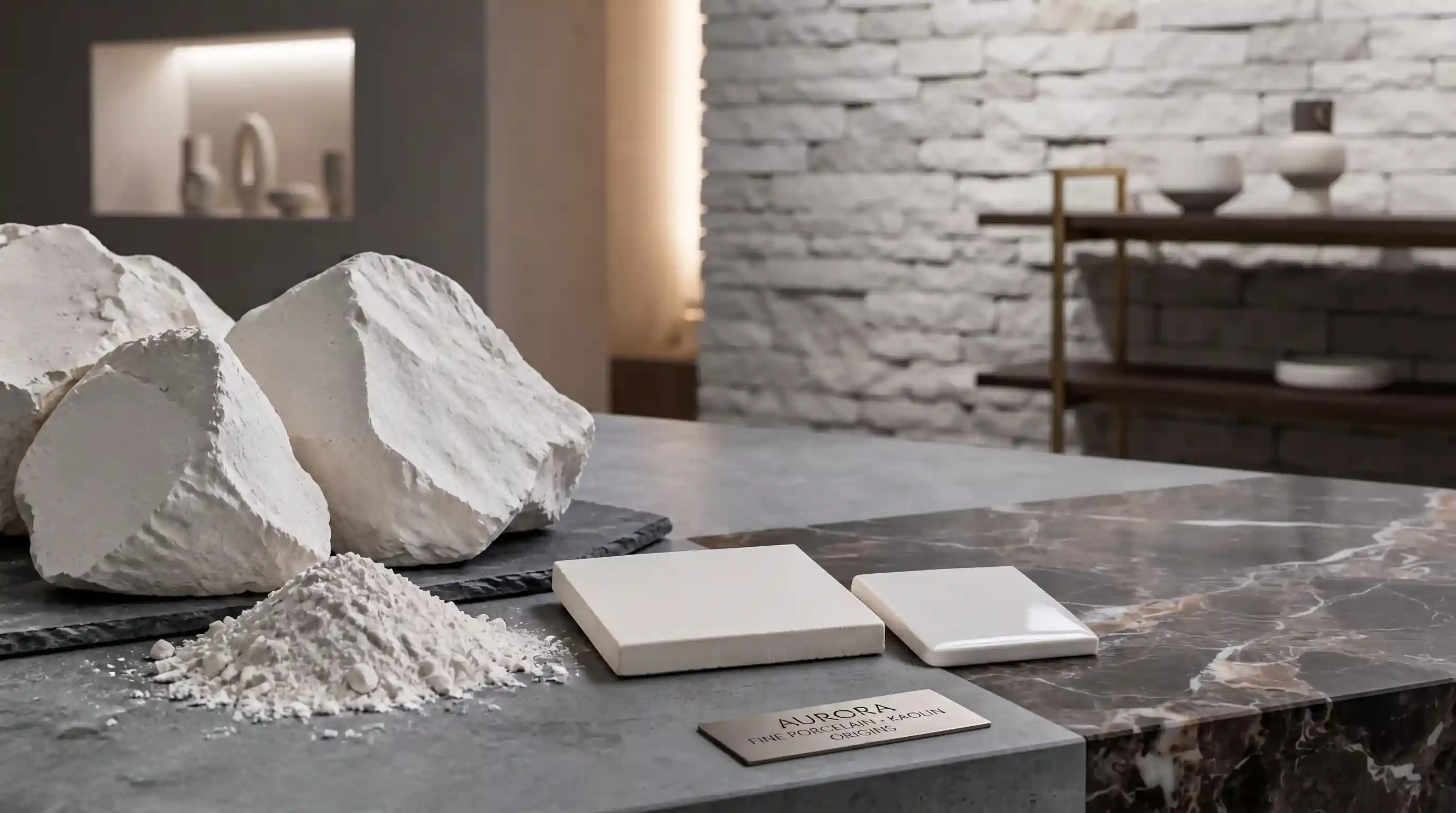
Mineral processing is a complex process involving extraction, crushing, impurity separation, and micronization. The 450 to 1500 mesh range offered by Kani Sang Amiran demonstrates high precision in particle size control. This meshing range allows industries to select a powder with the appropriate fineness and specific surface area according to their exact needs.
Particles with higher meshes (finer) are used for sensitive applications such as glazing and papermaking, where surface uniformity is of special importance. Conversely, lower meshes may be used in manufacturing thicker ceramic bodies or general fillers. This manufacturing flexibility meets the diverse needs of the industrial market.
Continuous quality control in production lines prevents the presence of unwanted materials such as free iron oxides or coarse particles. This careful monitoring ensures that the color, purity, and thermal behavior of the mineral remain identical across all shipped consignments.
Utilizing mode processing equipment, the Kani Sang Amiran project endeavors to maintain high quality standards in offering this product so that consumer industries can use it with complete peace of mind in their mass production lines.
Conclusion and Future Prospects of Kaolin Consumption in Industry
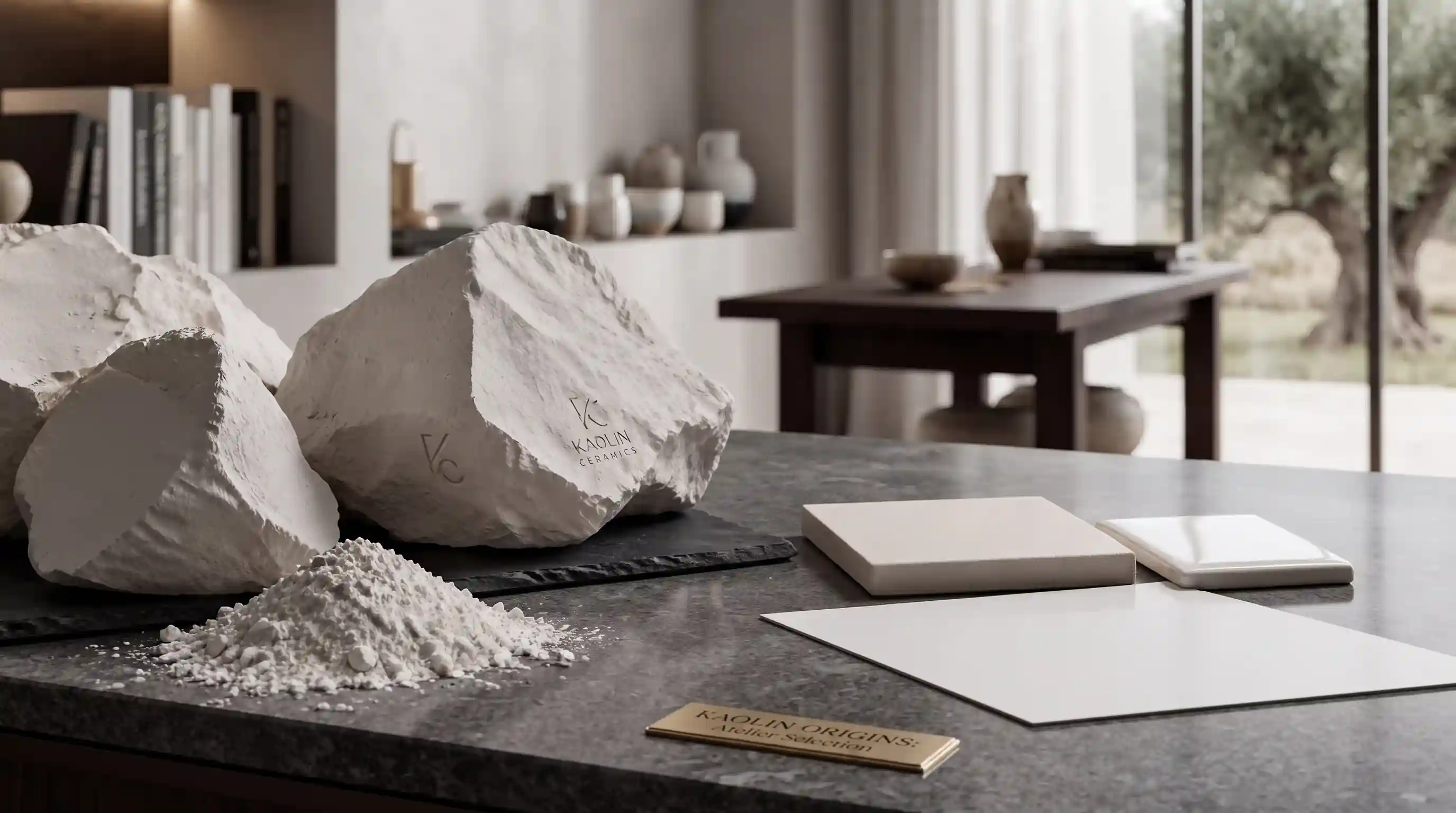
The mineral kaolin has cemented its position as a strategic component in the tile, ceramic, glaze, paper, paint, and electronics industries. The unique characteristics of this material, such as thermal stability, electrical resistance, layered structure, and the ability to improve mechanical properties, have made it an irreplaceable choice in materials engineering.
With the advancement of production technologies and the increasing industrial demand for higher-quality raw materials, the importance of precise processing and mineral mesh control becomes even more apparent. The alignment of this material's technical specifications with strict industrial standards paves the way for the development of durable, high-performance final products.
By supplying high-quality minerals and offering an appropriate mesh range (450 to 1500 mesh), the Kani Sang Amiran collection has successfully covered the needs of various industrial sectors and is recognized as a reliable partner in the raw material supply chain.
Ultimately, investing in a better understanding of mineral properties and optimizing their application will pave the way for further iovations in manufacturing industries and bring higher added value to the country's industrial economy.

| Question | Answer |
|---|---|
| What is kaolin? | It is a natural hydrated aluminum silicate used in various industries. |
| What are the main applications of kaolin? | Tiles, ceramic products, glazes, paper, and paint. |
| What is the mesh range of Kani Sang Amiran kaolin? | It is supplied between 450 and 1500 mesh. |
| Why is kaolin used in the papermaking industry? | As a filler and coating agent to increase paper whiteness and surface smoothness. |
| What is the role of kaolin in paint manufacturing? | It acts as an extender, improves viscosity, and increases paint coating durability. |
| Is kaolin used in electronic insulation? | Yes, due to its high dielectric resistance and thermal stability, it is used in insulators. |
| How can kaolin be procured? | Through the dedicated product page on the Kani Sang Amiran website. |
| Does this material affect the ceramic and glaze industries? | Yes, it helps improve body strength and glaze adhesion. |
| What is the importance of meshing in kaolin? | It determines particle size and suitability for sensitive or general applications. |
| Which entity is the producer of this mineral? | Kani Sang Amiran project — production of mineral materials. |
Specialized reference for mineral information and industrial processing, Kani Sang Amiran.
برچسب: Kaolin,The Role of Kaolin in Electronics and Insulation Industries,
نویسنده: رساوب آفرین