
درباره سایت
آخرین مطالب
- Applications of White Talc in Plastic Production and Industrial Polymer Industries
- Applications of Coated Calcium Carbonate in Chemical and Plastic Industries
- What is Coated Calcium Carbonate? A Guide to Its Application in the Construction Industry
- كيفية اختيار كربونات الكالسيوم المطلي بناءً على التدرج الحبيبي
- How to Choose High-Quality White Barite: Key Purchasing Tips
- استانداردهای دانهبندی تالک سفید برای مصارف گوناگون در صنایع
- White Talc in the Construction Industry: Its Applications and Key Features
- Industrial Barite or Calcium Carbonate? A Complete Comparison of Applications and Benefits
- استانداردهای کیفیت باریت صنعتی و روشهای آزمایش و کنترل آن
- Application of White Barite in Producing Paint and Durable Industrial Coatings
امکانات وب
Introduction to Silica and its Role in Architectural Glass Production
Silica, with the chemical formula SiO2, is one of the most abundant mineral compounds in the Earth's crust and is widely used in various industries, including glassmaking, foundry, ceramics, and the production of building materials. In the glass industry, silica is the primary network former and constitutes a major share of the composition of architectural glass. For this reason, any change in the quality and purity of the incoming silica will have a direct impact on the transparency, color, uniformity, and strength of the final glass. In fact, it can be said that the quality of architectural glass is determined in the silica mine and processing plant before it is realized in the melting fuace.
Architectural glass refers to a category of glass products used in building facades, windows, curtain walls, glass doors, interior and exterior decorative elements, and other architectural sections. In these applications, high transparency, absence of visual impurities, uniform color across the surface and thickness, and durability against moisture, temperature changes, and urban pollutants are among the most important expectations. The introduction of chemical impurities into the glass composition not only affects the product's appearance but can also alter its mechanical behavior and lifespan against environmental conditions.
Silica used in various industries is primarily classified based on particle size distribution (grading) and chemical purity. The range of 10 to 450 mesh covers a wide spectrum of particle sizes, enabling the use of this mineral in diverse applications. In glassmaking, finer particles melt faster in the fuace due to their higher surface area and help homogenize the melt; whereas in building materials, ceramics, and some foundry processes, coarser gradations may exhibit better behavior and performance. Understanding the technical requirements of each industry is the primary criterion for selecting suitable silica.
Alongside grading, chemical purity is the most important determining factor of silica quality. Purity depends on the SiO2 content in the composition and the amount of impurities such as iron, aluminum, titanium, chromium, calcium, and magnesium oxides, as well as alkalis. The lower these impurities, the purer the silica and the better its quality for glassmaking. To familiarize yourself with the technical specifications of this mineral product, you can visit the Silica product page on the Kani Sang Amiran project website.
In this article, we examine the effect of silica chemical purity on architectural glass quality from various angles; from the definition of purity and the introduction of critical impurities to their impact on color, transparency, mechanical properties, the production process, grading, and measurement and quality control methods. The goal is to provide industrialists, engineers, and raw material buyers with a more precise perspective for evaluating and selecting appropriate silica.
What Does Silica Chemical Purity Mean?
Chemical purity of silica refers to the weight percentage of SiO2 in the sample and the composition and concentration of its accompanying impurities. High-purity silica typically has a high percentage of SiO2 while containing very minute amounts of other oxides. These impurities mainly include the following compounds:
- Iron oxide (Fe2O3): the most color-sensitive and critical impurity in clear glass
- Aluminum oxide (Al2O3): affects melt viscosity and refining
- Titanium oxide (TiO2): creates a yellow to brown color
- Chromium oxide (Cr2O3): creates a dark green color even in very small amounts
- Calcium oxides (CaO), magnesium (MgO), and alkalis (Na2O and K2O): affect melting point and thermal expansion
Each of these compounds has a specific effect on the melting process and the final glass characteristics. Iron oxide is the most well-known and simultaneously the most problematic impurity in glassmaking silica. Iron, even in very minute quantities, creates a distinct color in glass and disrupts its pure transparency. Depending on whether iron is present as Fe2+ or Fe3+ in the glass network, the final color can range from yellow and bright green to dark green and bluish. For this reason, in the production of clear architectural glass, precise control of the incoming iron content via silica is one of the most sensitive quality control steps.
Aluminum oxide can also cause problems at high levels. Alumina acts as a network stabilizer in glass and is beneficial in controlled amounts, but the introduction of large quantities through impure silica increases melt viscosity, makes refining and bubble removal difficult, and ultimately creates heterogeneity in the product. Titanium and chromium also create yellow, brown, and green colors and must be minimized in glassmaking silica.
Alkali and alkaline earth impurities such as sodium, potassium, calcium, and magnesium, although present in the glass composition as controlled additives, their undesired presence in silica causes changes in the melting point, viscosity, and coefficient of thermal expansion. These changes can lead to fluctuations in production process parameters and increased waste.
For buyers and glassmaking plants, it is very important to realize that purity is not just a number on paper, but a combination of several interrelated parameters. The Comprehensive Guide to Buying Quality Silica for Factories provides practical tips for evaluating these parameters. In the rest of the article, we will examine the effect of each of these impurities on the visual and technical quality of architectural glass in more detail.
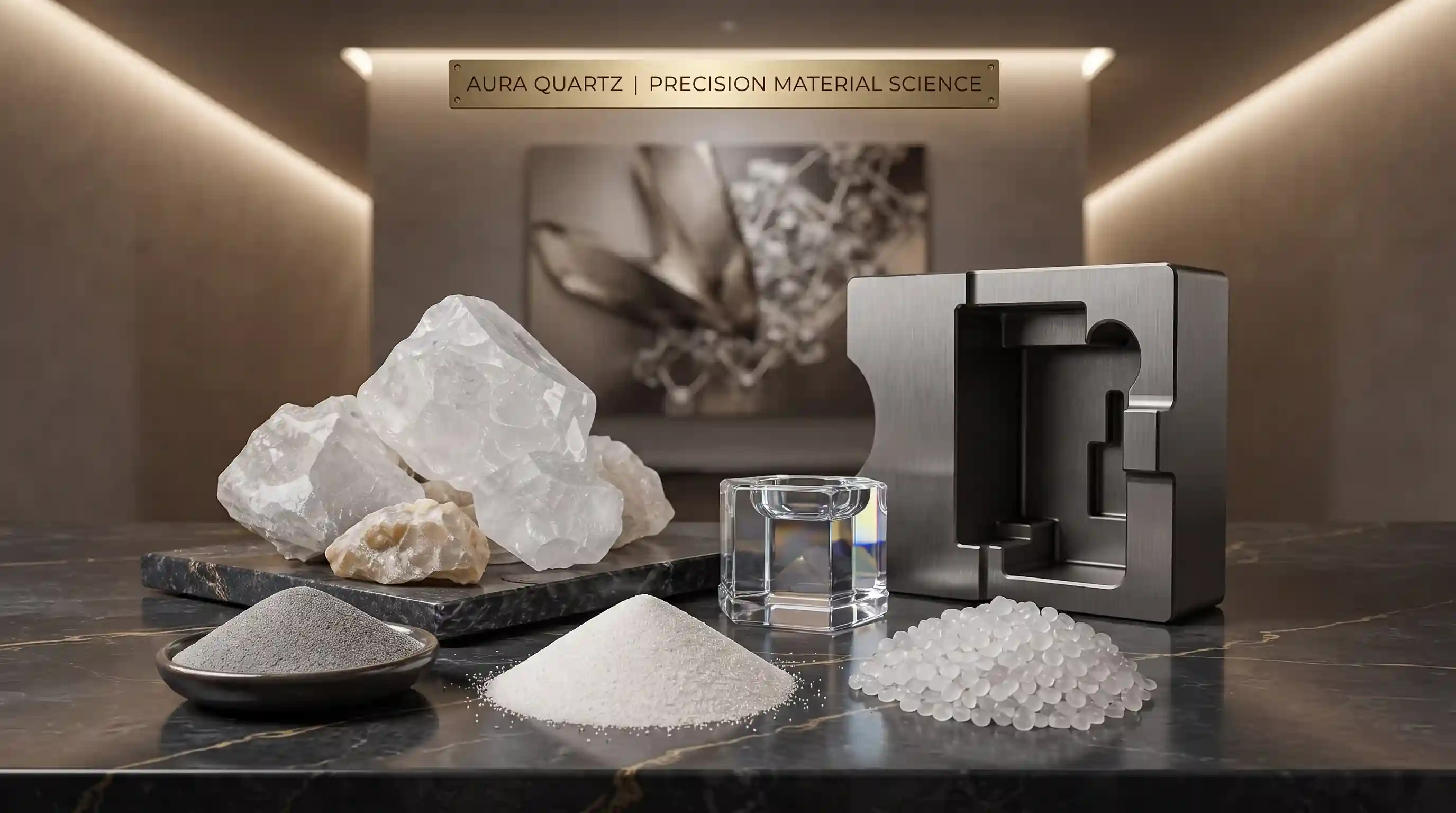
The Effect of Impurities on Color, Transparency, and Visual Quality of Architectural Glass
The most important characteristic of clear architectural glass is high light transmission and the absence of uatural color. Impurities present in silica show their first and most prominent effect on this characteristic. Since silica forms the bulk of the glass composition, even impurities in the tenths of a percent can create observable color changes. This issue becomes especially important in architectural projects where large, coordinated glass panels are used in the facade; because color mismatch between panels is quickly visible and affects the overall quality of the project.
Iron oxide, as mentioned, is the primary colorizing agent. Divalent iron (Fe2+) creates a blue-green color and trivalent iron (Fe3+) creates a yellow-green color. In clear architectural glass, total iron must be minimized so the glass remains colorless. Higher amounts of iron, besides color, also cause a relative reduction in visible light transmission and increased heat absorption, which in facade applications can lead to higher indoor temperatures and occupant dissatisfaction.
Chromium and titanium are other impurities that have a severe visual impact. Chromium, even in very small amounts, creates a dark green color and is unacceptable in clear architectural glass. Titanium also produces a yellow to brown color. The simultaneous combination of several impurities can lead to composite and unpredictable colors, making their control more complex in production and revealing the need for precise analysis of every incoming batch.
In addition to color, impurities affect the structural uniformity of the glass. The presence of unmelted particles or high amounts of alumina and calcium can cause local clouding, colored streaks, tiny bubbles, and optical irregularities on the glass surface. These defects not only degrade the product's appearance but also cause visual disturbances and quality problems in double-glazed windows and safety glass, sometimes rendering the product unusable.
An important point is that the visual quality of architectural glass, beyond aesthetics, is an indicator of overall quality control of the production process. Uniform color and high transparency show that raw materials with controlled purity and a constant composition have been used. For this reason, knowledgeable manufacturers choose high-purity, stable-composition silica to reduce waste and rework costs, maintain their brand credibility in the market, and remain trusted in large architectural projects.
The Effect of Silica Purity on Physical, Mechanical Properties, and Durability of Architectural Glass
Architectural glass is exposed to mechanical stresses, thermal shocks, moisture, and environmental pollutants throughout its lifespan. Silica purity, in addition to visual quality, has a significant impact on these properties. Glass produced from purer silica and a more controlled composition typically exhibits a more homogeneous structure, lower inteal stresses, and more predictable behavior against mechanical and thermal loads.
Melt homogeneity and proper refining are directly related to raw material purity. Impurities such as alumina and variable alkali compounds alter viscosity and the melting point, and these changes disrupt the bubble removal and gas evolution processes. Bubbles remaining in the glass create mechanical weak points and reduce the glass's resistance to impact and pressure. This issue is especially critical in safety and facade glass, which have stringent standards.
The chemical durability of glass against water, moisture, and acidic atmospheric gases also largely depends on its composition. Architectural glass with lower purity may, over time, develop surface haze, staining, and a gradual loss of transparency. This phenomenon, often appearing as a haze on the glass facade surface, increases building maintenance costs, detracts from facade aesthetics, and causes a drop in property value in commercial and residential projects.
Thermal resistance and the behavior of glass against temperature changes are also affected by chemical composition. The presence of various impurities changes the coefficient of thermal expansion of the glass and increases the risk of cracking due to thermal shock. This issue is very important in facade glass and large windows exposed to direct sunlight during the day and cold at night, and can directly affect the safety of building occupants.
The importance of silica quality is not limited to glass; in many cement and concrete-based building materials, silica quality also plays a key role in durability and strength. To read more on this topic, you can study the article The Effect of Silica Quality on the Durability and Strength of Industrial Concrete. As you will see, controlling the purity of incoming minerals has a shared philosophy across various industries: the quality of the final product depends on the quality of the raw materials.
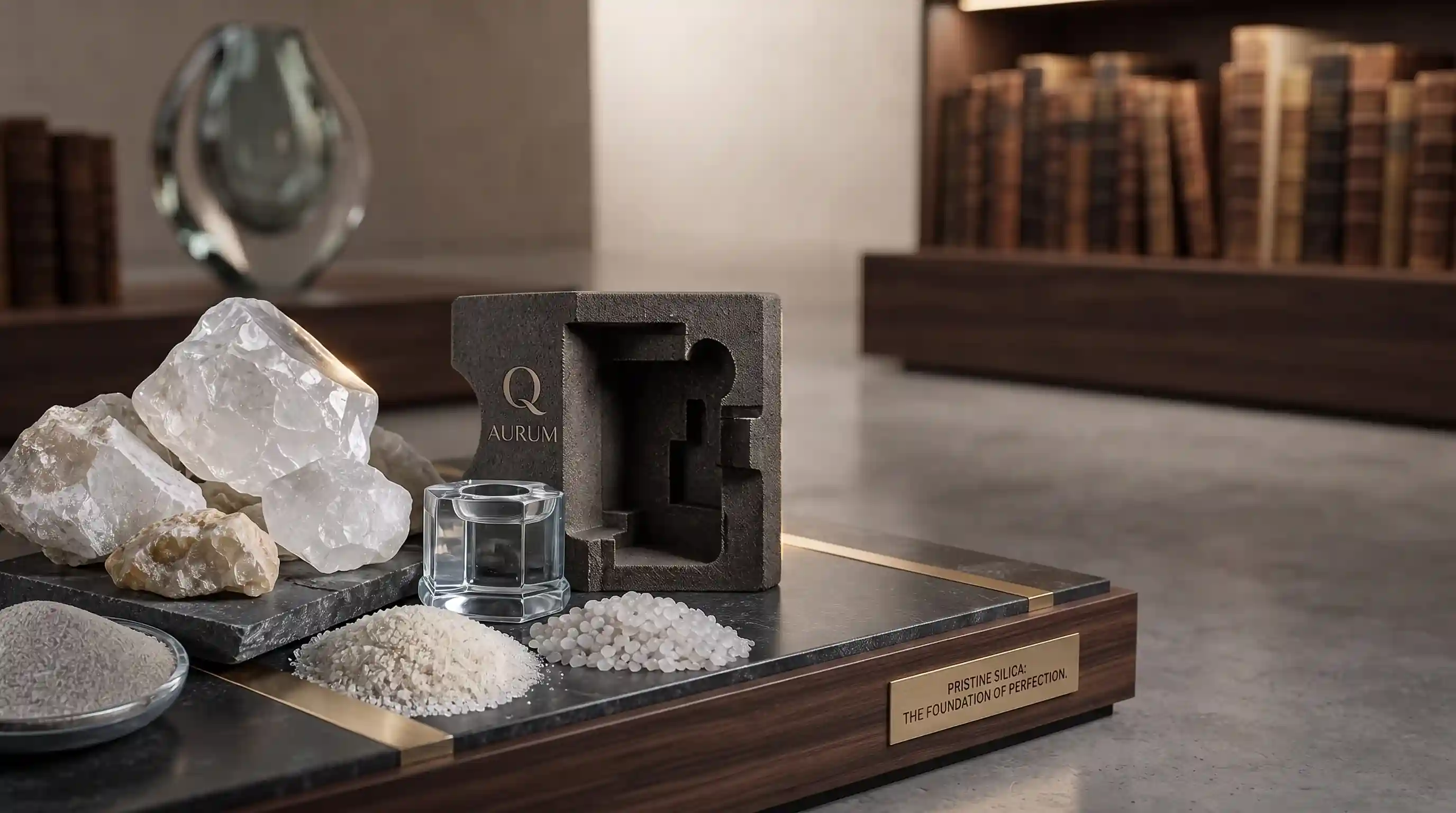
The Role of Silica in the Architectural Glass Production Process
The production of architectural glass is a continuous process that begins with the weighing and mixing of raw materials and continues with melting, refining, forming, and aealing. In all these stages, silica, as the primary network former, determines the final structure of the glass. Choosing silica with appropriate purity and grading not only guarantees product quality but also affects energy consumption, fuace efficiency, and the amount of production waste.
In the batch preparation stage, raw materials are weighed and mixed according to a specific formulation. Any fluctuation in the chemical composition of the incoming silica upsets the formula's balance. For example, if the silica contains variable amounts of alumina or alkali compounds, the melt chemistry will differ with each production run, making the melting and forming parameters unstable. Composition stability is one of the key criteria in evaluating silica quality for glassmaking plants.
In the melting stage, finer silica particles melt faster and more completely due to their greater surface area. This reduces the required fuace temperature, saves energy consumption, and lowers emissions. Complete melting of particles also prevents the formation of unmelted grains in the glass. For this reason, silica grading, alongside purity, is one of the essential parameters for glassmaking plants and is constantly considered when drafting technical purchase specifications.
In the refining stage, trapped gases are expelled from the melt. Viscosity caused by excess alumina makes bubble removal difficult and causes visual and mechanical defects in the product. After that, the glass is formed, and in the aealing fuace, its inteal stresses are relieved. Composition uniformity in these stages also contributes to dimensional stability and surface quality of the product, ultimately affecting customer satisfaction and reducing retus.
The conclusion is that choosing the right silica is a technical-economic decision. Silica with high purity and a grading suited to fuace needs, while improving architectural glass quality, also reduces energy and waste costs. For this reason, professional producers always take a long-term approach to selecting raw material suppliers and do not sacrifice quality for short-term savings.
Silica Grading and its Importance in Architectural Glass Quality
Silica grading refers to its particle size distribution, usually expressed in mesh. The mesh number indicates the number of holes per unit area; the higher the mesh number, the finer the particles. The 10 to 450 mesh range covers a wide spectrum from coarse to very fine particles, and this diversity makes silica suitable for varied applications including glass, ceramics, foundry, and building materials.
In the glassmaking industry, finer and more uniform particles are usually preferred. Small particle sizes increase the surface contact area and accelerate melting reactions. Also, a uniform particle size distribution creates better mixing with other raw materials and prevents particle segregation during transport and storage. Particle segregation is one of the main causes of quality fluctuation in the production process and can create unwanted changes in glass transparency and color.
Overly coarse particles may not melt completely and create unmelted grains in the final glass. These grains, besides being a visual defect, are stress concentration points and reduce the mechanical strength of the glass. On the other hand, very fine particles can cause handling problems, dust dispersion, and increased retained moisture; therefore, balance and precise control of size distribution are important and must be determined according to fuace conditions.
In addition to glass, grading is vital in other applications as well. In foundry, silica particle size affects mold permeability, surface quality of the part, and thermal resistance. In ceramics and building materials, grading affects compaction, shrinkage during firing, and the final strength of the product. For a deeper study on this topic, you can read the article The Importance of Silica Grading in Glass and Foundry Industries.
Ultimately, grading and purity are the two wings of silica quality that act complementarily. A silica might be very suitable in terms of grading but unsuitable for clear architectural glass due to chemical impurities. Conversely, pure silica with inappropriate grading can cause melting and production problems. Simultaneous evaluation of both parameters is a necessary condition for correct raw material selection and should be transparently reflected in supply contracts.
Criteria and Methods for Evaluating Silica Purity
To ensure silica quality, precise and standard laboratory methods are required. Chemical purity is usually expressed as the percentage of SiO2 and the level of key impurities. In the glassmaking industry, iron oxide (Fe2O3) analysis is of special importance because it is the most sensitive parameter in clear glass color. Alongside it, alumina, titanium, chromium, and alkali compounds are also analyzed to obtain a complete picture of silica quality.
Various methods exist for silica chemical analysis. X-ray fluorescence (XRF) is one of the most widely used methods, offering high speed and appropriate accuracy, suitable for daily quality control in plants. ICP-OES and ICP-MS methods have much higher precision and are used to measure trace amounts of impurities. Classical chemical methods are still used in reference laboratories and are the basis for confirming the results of other methods.
Alongside chemical analysis, grading evaluation is also performed using methods such as standard sieve series and laser particle size analysis. The results of these tests determine the particle size distribution and the amount of particles falling outside the permissible range. In glassmaking silica, simultaneous control of purity and grading forms the basis of a successful quality control system, and neglecting either manifests itself in the final product.
In evaluating silica quality, one does not rely solely on laboratory numbers. Consistency of results over time is one of the most important criteria. A suitable supplier provides silica with a stable composition and minimal fluctuation. Fluctuation in quality, even if within acceptable limits for each delivery, can destabilize the production process and increase waste. Periodic laboratory reports and field inspections are the tools for this continuous monitoring.
For glassmaking plants, drafting clear technical specifications and reaching an agreement with the supplier based on those specifications is a necessity. These specifications include SiO2 percentage, maximum allowable level of each impurity, grading range, and sampling and testing methods. Documenting these issues makes the interaction between the mineral producer and consumer transparent and professional. Also, keeping test records enables tracing potential defects in the final product and simplifies root cause analysis of problems.
Guide to Choosing the Right Silica and Conclusion
Choosing silica for architectural glass production requires a comprehensive perspective. Chemical purity, grading, quality stability, sustainable supply capability, and compatibility with fuace technical specifications are the most important criteria. Professional buyers first define their needs: type of glass (clear, colored, safety), production volume, fuace conditions, and technical constraints. Then, based on these requirements, they begin evaluating available options.
In the first step, the chemical analysis of silica must be examined. The percentage of SiO2 and the iron oxide level are the primary criteria. For clear architectural glass, iron must be kept to a minimum. In the next step, grading and particle size distribution are examined to ensure compatibility with the melting process requirements. The outcome of both evaluations must be compatible with the requested technical specifications; otherwise, the silica will not be suitable for the intended application.
Alongside technical characteristics, quality stability and supply reliability are also important. Sudden changes in silica composition can quickly appear in the final product and even cause production line stoppages. A reliable supplier provides transparent laboratory reports, valid samples, and inspection capabilities. Transparency in exchanging technical information indicates the professionalism of the contracting party and is the key to a long-term partnership.
Also, it should be noted that silica is not only used for glass. This mineral is also used in foundry, ceramics, and building materials, and each application has its own technical requirements. The 10 to 450 mesh range enables the selection of a product tailored to the needs of any industry; from fine particles suitable for glassmaking and micronized grades to coarser gradations for building materials and ceramics.
In conclusion, the chemical purity of silica is one of the most key determining factors of architectural glass quality. Its effect on the color, transparency, homogeneity, mechanical properties, and durability of the final product is undeniable. Investing in high-purity silica is, in fact, investing in the quality of the final product, customer satisfaction, and brand credibility. Factories that accept this reality will have a stable and defensible position in the competitive architectural glass market.
| Question | Answer |
|---|---|
| How does silica purity affect the transparency of architectural glass? | The higher the silica purity and the lower the impurities like iron oxide, the clearer and more colorless the glass produced, and the visual quality of the facade increases. |
| What is the most important harmful impurity in glassmaking silica? | Iron oxide (Fe2O3) is the most sensitive impurity because it creates yellow, green, or blue colors in clear glass even in small amounts. |
| What applications does the 10 to 450 mesh range have? | This range provides diverse gradations for glassmaking, foundry, ceramics, and building materials, and selection is based on each industry's needs. |
| Why does iron oxide cause color changes in glass? | Iron, depending on its oxidation state (Fe2+ or Fe3+), creates blue-green or yellow-green colors in the glass network and reduces visible light transmission. |
| What role does alumina present in silica play? | Alumina is a network stabilizer in controlled amounts, but in large amounts, it raises melt viscosity and makes bubble removal and refining difficult. |
| How is silica purity measured? | Using methods such as X-ray fluorescence (XRF), ICP-OES, and classical chemistry, the amount of SiO2 and impurities are measured and reported. |
| What share does silica have in architectural glass production? | Silica is the primary network former of glass and constitutes a large part of its composition; therefore, its quality directly determines the final quality. |
| Is lower-purity silica suitable for architectural glass? | It is not suitable for clear architectural glass because it causes color, reduced transparency, bubbles, and a drop in mechanical properties; however, it can be used in some opaque building materials. |
| What effect does silica grading have on the melting process? | Finer particles melt faster due to greater surface contact, consume less energy, and prevent the formation of unmelted grains in the glass. |
| What points should we consider when choosing a silica supplier? | Pay attention to chemical analysis, grading, quality stability over time, provision of laboratory reports, and sustainable supply capability. |
The information in this article is compiled based on technical data from the Kani Sang Amiran project and scientific sources of the glassmaking industry.
برچسب: Silica,The Effect of Silica Chemical Purity on Architectural Glass Quality,
نویسنده: رساوب آفرین