
درباره سایت
آخرین مطالب
- Applications of White Talc in Plastic Production and Industrial Polymer Industries
- Applications of Coated Calcium Carbonate in Chemical and Plastic Industries
- What is Coated Calcium Carbonate? A Guide to Its Application in the Construction Industry
- كيفية اختيار كربونات الكالسيوم المطلي بناءً على التدرج الحبيبي
- How to Choose High-Quality White Barite: Key Purchasing Tips
- استانداردهای دانهبندی تالک سفید برای مصارف گوناگون در صنایع
- White Talc in the Construction Industry: Its Applications and Key Features
- Industrial Barite or Calcium Carbonate? A Complete Comparison of Applications and Benefits
- استانداردهای کیفیت باریت صنعتی و روشهای آزمایش و کنترل آن
- Application of White Barite in Producing Paint and Durable Industrial Coatings
امکانات وب
Introduction to Silica and Its Strategic Importance in Manufacturing Industries
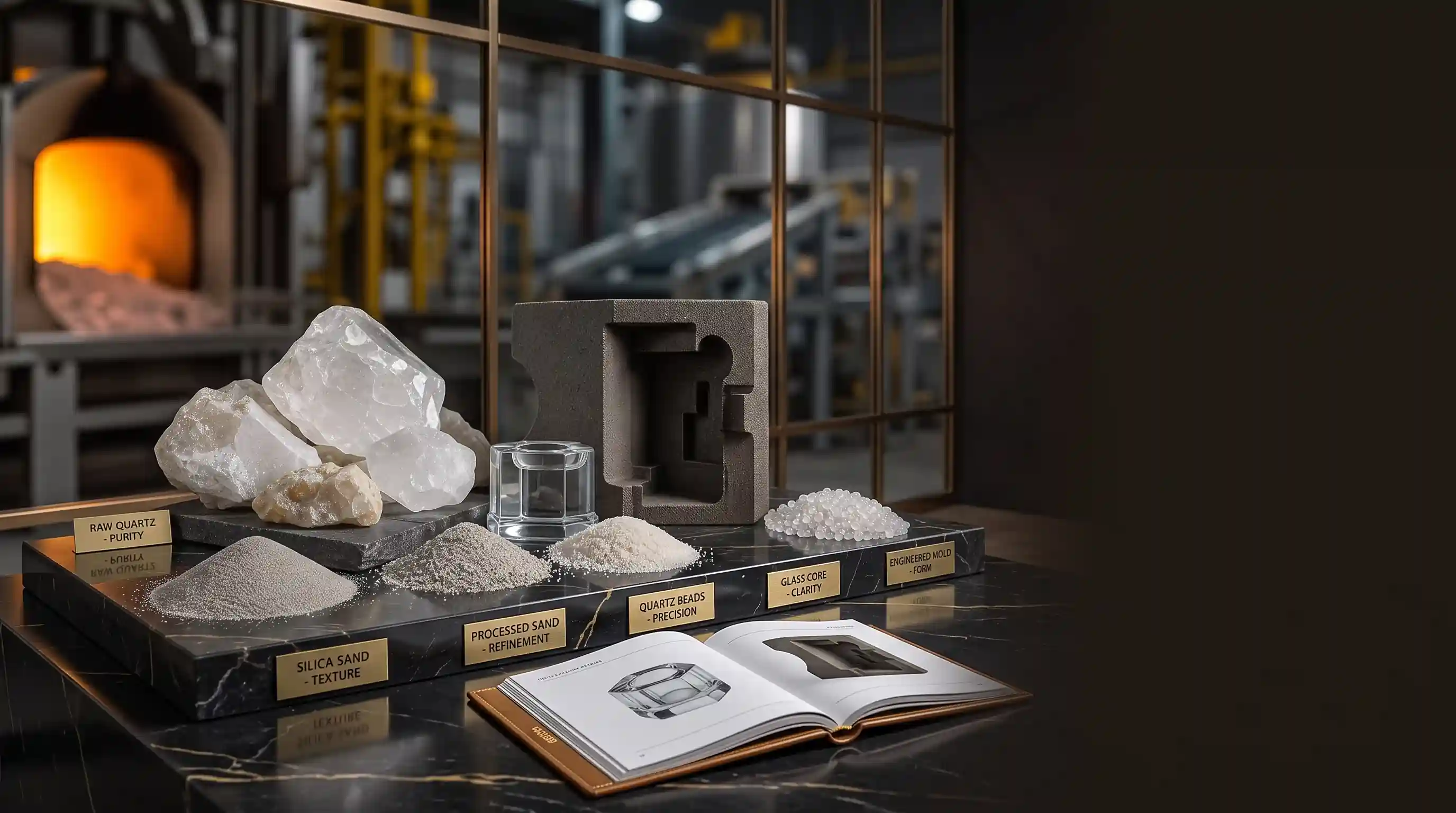
Silica (SiO₂) is one of the most abundant and widely used mineral compounds in the Earth's crust, playing a key and undeniable role in the production of industrial refractory products and other manufacturing industries. This mineral, mainly composed of quartz and other crystalline and amorphous forms of silicon oxide, has become one of the most important raw materials in mode production lines due to its stable chemical structure, high thermal resistance, and unique physical properties. In fact, without the use of high-quality standard silica, producing many of the products used across various industries today would be virtually impossible.
The importance of silica in industry is not limited to a single sector; rather, this mineral encompasses a wide range of applications in the glassmaking, casting, ceramics, and building materials industries. Amiran Stone Minerals Project, with years of experience in producing and supplying minerals, offers silica in the 10 to 450 mesh range for these industries. The variety in product gradation allows factories to choose exactly the specifications their production process requires. For example, glass manufacturers need uniform and controlled gradation to achieve complete and uniform melting in the fuace, while the casting industry requires silica with different specifications for molding sands.
One of the outstanding features of silica that distinguishes it from other minerals is its very high thermal resistance. Silica maintains its structure at high temperatures, and this property has made it an ideal choice for producing refractory products. Industrial refractory products are materials exposed to extreme temperatures, thermal shocks, and corrosive conditions, and must withstand these conditions without deformation or degradation. Also, due to its abundant reserves in Iran, silica is a mineral with sustainable availability and reasonable price, which helps maintain the supply chain of industries.
From an economic perspective, silica is also considered a strategic commodity. The glassmaking industry, as one of the largest consumers of silica, consumes large quantities of this raw material daily to produce architectural glass, automotive glass, containers, and decorative products. Any fluctuation in the quality or supply of silica can directly affect the quality of final products and production costs. Therefore, a precise understanding of silica's properties, applications, and standards is essential for all players in these industries. In the remainder of this article, we will conduct a comprehensive and specialized review of silica, its chemical structure, and its role in various industries.
Chemical Structure and Mineralogy of Silica
Silica is chemically known as silicon oxide (SiO₂) and is found in nature in various crystalline and amorphous forms. The chemical structure of silica consists of a silicon atom bonded to two oxygen atoms, repeated in a continuous three-dimensional network. The strong bonding between atoms in this network structure is the main reason for silica's thermal resistance, hardness, and chemical stability. Quartz, as the most common crystalline form of silica, has the widest application in manufacturing industries and is typically used as the main raw material for producing industrial silica.
Silica exists in nature in several polymorphic forms, the most important of which are: quartz, tridymite, and cristobalite. These crystalline forms are stable at different temperatures and each exhibits different physical properties. From an industrial perspective, silica purity is a very important criterion; SiO₂ with high purity (usually above 95%) is required for sensitive applications such as glassmaking and advanced ceramics, while lower purity suffices for some building materials and general applications. Alongside mineralogy, understanding silica's relationship with other industrial minerals is also valuable; for a comparative understanding of this topic, studying The Key Role of Industrial Talc in Improving Manufacturing Product Quality can provide a good perspective on the properties and applications of industrial minerals.
Physically, silica is a hard material with a hardness of 7 on the Mohs scale, and this high hardness makes it resistant to wear and erosion. Silica's density is about 2.65 grams per cubic centimeter, and its melting point is around 1710 degrees Celsius. These properties make silica an ideal material for applications exposed to high temperatures and wear. In addition, silica has good electrical insulation properties, which makes it useful in the electronics industry as well.
In industrial silica processing, after ore extraction, various stages including crushing, milling, screening, and in some cases chemical processing are carried out to increase purity. The final product is classified based on particle size, which in industry is called "gradation" or "mesh range." Amiran Stone Minerals Project produces silica in the 10 to 450 mesh range, which includes a wide spectrum from coarse to very fine grains. This variety allows different industries to choose the product suited to their needs. It is worth noting that in the mineral industries, the difference between silica and talc is also important; talc is a softer magnesium mineral used in industries such as gypsum and building materials, and for a better understanding you can refer to the article The Role of Industrial Talc in Gypsum and Building Materials Industries. Ultimately, the quality and uniformity of silica directly affect the performance of production processes, and selecting a standard product is the foundation for achieving consistent quality across various industries.
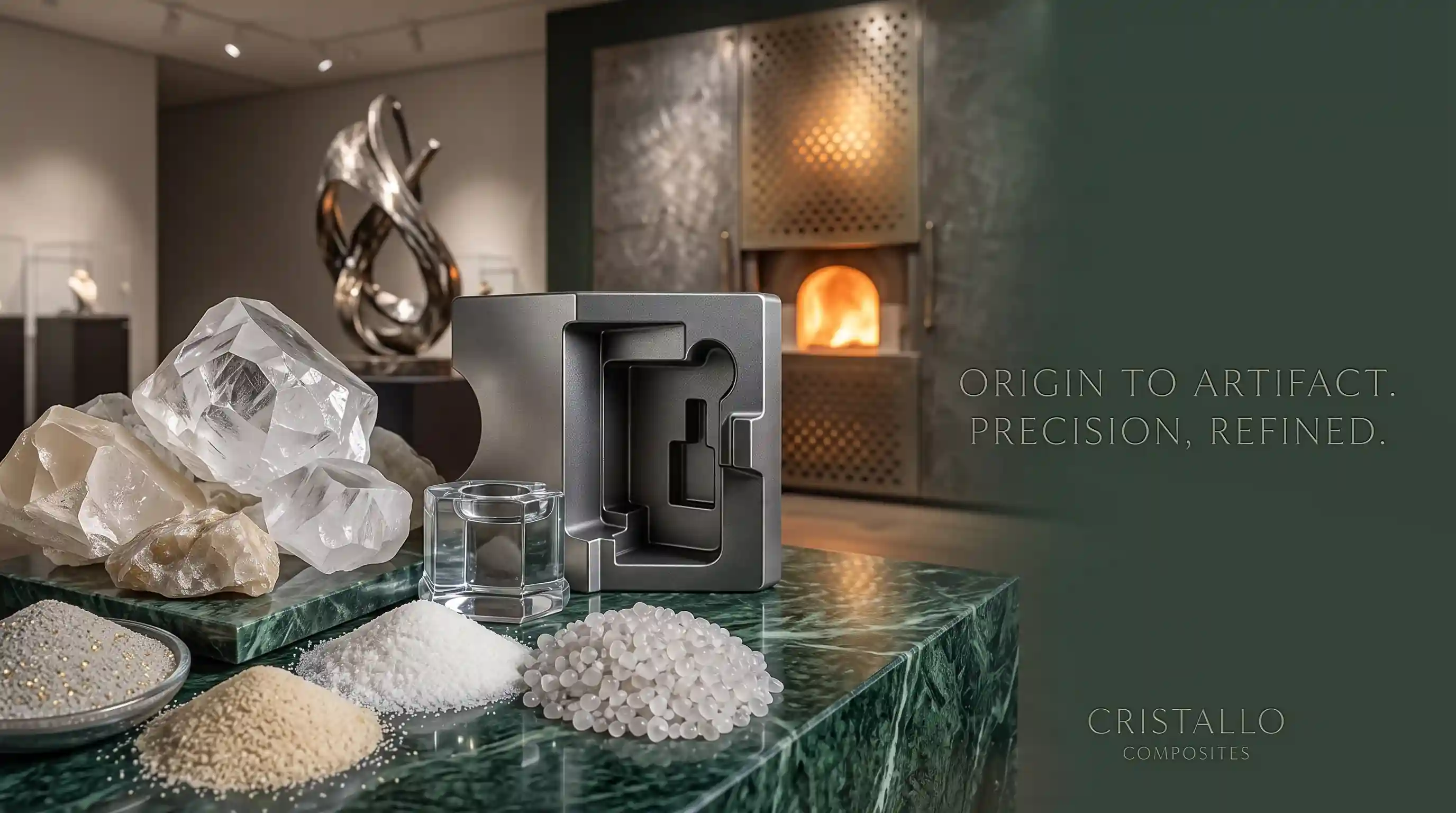
The Role of Silica in the Glassmaking Industry
The glassmaking industry is known as the largest consumer of silica in the world, and it is estimated that more than half of the silica produced is used in this industry. Glass sand, which is typically prepared from high-purity quartz, is the main base of the glass composition and plays a structural role in the glass network. In the glass production process, silica is melted together with soda (sodium carbonate), lime (calcium carbonate), and other additives in fuaces at temperatures above 1500 degrees Celsius to produce transparent and homogeneous glass.
The quality of silica used in glassmaking directly affects the quality of the final product. Uniformity of gradation is of great importance, because particles of uniform size melt faster and more completely, preventing defects such as bubbles, lines, and impurities in the glass. In addition, the chemical purity of silica and low levels of iron and other impurities guarantee the transparency of glass. The presence of iron, even in small quantities, can cause glass coloration, which is undesirable for producing clear glass. The silica offered by Amiran Stone Minerals Project in the 10 to 450 mesh range provides diverse options for glass manufacturers to choose based on their process requirements.
The applications of glass derived from silica are very extensive: architectural and window glass, automotive glass, food packaging glass, kitchenware, decorative glass, strengthened glass (via ion exchange process), fiberglass, and glass fibers used in insulation and composite materials. Each of these products requires specific silica specifications. For example, fiberglass requires silica with very fine gradation and very high purity to produce uniform and strong fibers, while architectural glass is more tolerant. Today, leading manufacturers use silica with controlled gradation to increase melting efficiency and reduce fuace energy consumption.
Ultimately, for glass manufacturers seeking to improve quality and reduce production costs, choosing the right silica is a strategic decision. It is recommended that manufacturers determine their exact process requirements before purchasing and select a product with appropriate gradation and purity. To view specifications and obtain silica suitable for the glass industry, you can visit the silica product page. Additionally, a deep understanding of silica quality standards helps manufacturers make more informed decisions. For this topic, it is suggested to refer to Silica Quality Standards in Mode Manufacturing Industries.
Application of Silica in the Casting and Molding Sand Industry
The casting industry is another key area of silica consumption, in which metals in molten form are transformed into final parts. In this process, silica is used as the main material for molding sand and core sand. Casting molds must have sufficient strength to withstand the pressure and high temperature of molten metal, while at the same time being easily removable after the metal solidifies. Due to its stable structure, refractoriness, affordable price, and abundance, silica is considered an ideal material for this application, and large quantities of it are consumed aually in the global casting industry.
In the molding process, silica sand is mixed with binders such as clay, vegetable oils, synthetic resins, or cement to create a cohesive and moldable mold. Important properties of molding sand include the following: grain shape and distribution, SiO₂ purity, moisture content, and compressive and thermal strength. Sand with rounded grains (due to high compactability) packs better and produces higher-quality molds. The SiO₂ content of molding sand should typically be high so that the molten metal does not react with iron oxide and surface defects of the part are minimized.
The effect of silica quality on the final cast part is quite significant. Inappropriate sand can lead to defects such as gas porosity, sand penetration into the part surface, thermal cracks, and dimensional changes. The "sand penetration" defect occurs when molten metal penetrates into the spaces between sand grains, creating a rough surface on the part. Using silica sand with fine and uniform gradation minimizes these defects. The 10 to 450 mesh range offered by Amiran Stone Minerals Project covers a diverse range of gradations and is suitable for casting parts of various sizes and complexities. For example, small and precision parts use finer sand, while large parts require coarser gradation.
In the mode casting industry, the use of high-quality and uniform silica sand is an undeniable necessity. Manufacturers who use standard silica not only improve the surface quality of final parts, but also reduce waste, rework, and production costs. Alongside silica, other minerals also play roles in manufacturing industries; to become familiar with a relevant example, studying The Key Role of Industrial Talc in Improving Manufacturing Product Quality is recommended. Also, to view silica specifications suited to the needs of the casting industry, you can visit the silica product page on the Amiran Stone Minerals Project website. Choosing a reliable supplier and having a precise understanding of the product's technical specifications is the secret to success in this competitive industry.
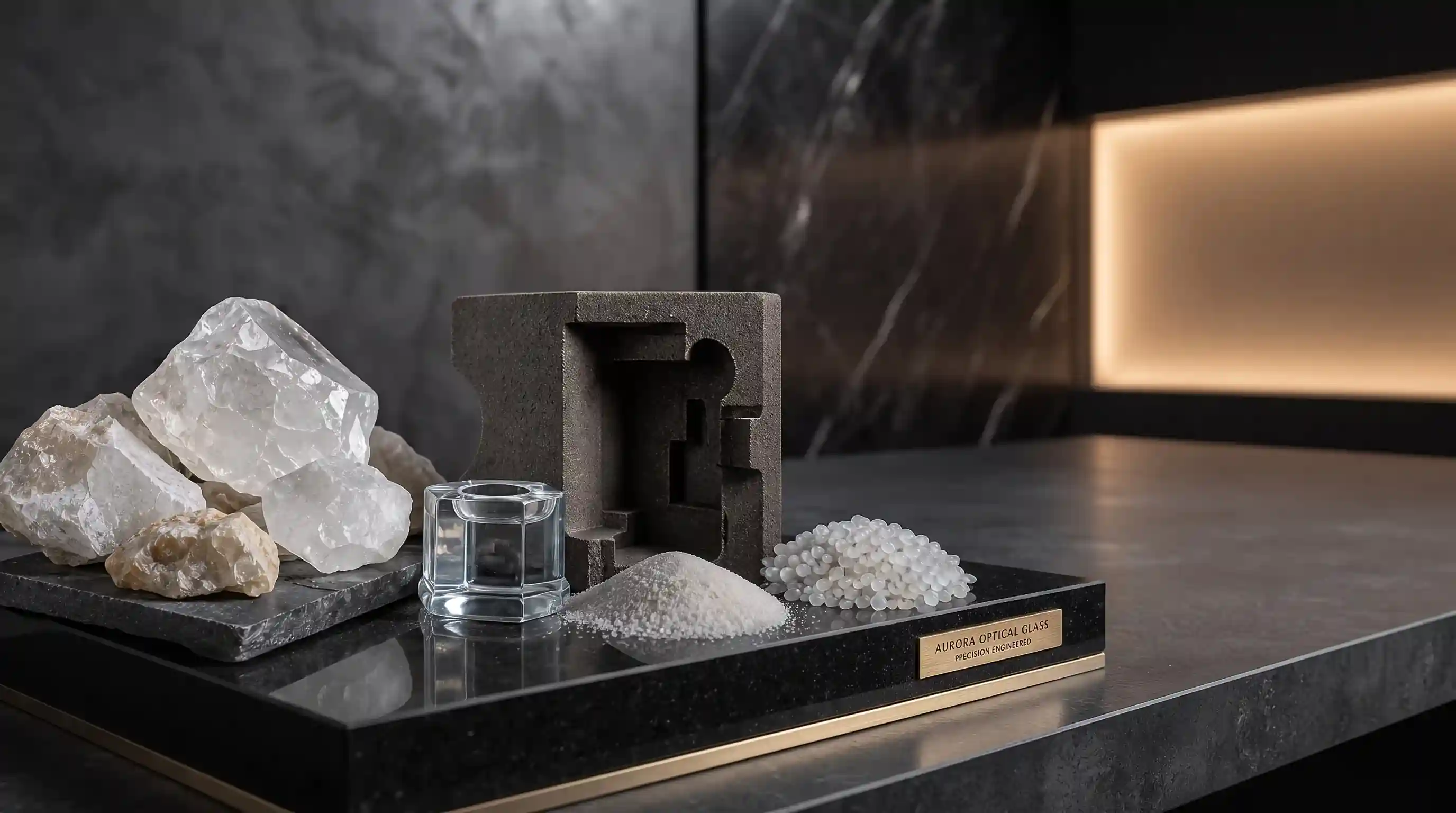
Silica in the Ceramics Industry and Ceramic Products
Ceramics are materials formed from the combination of various minerals and produced through the sintering process at high temperatures. Silica is known as a primary structural component in the ceramics industry, as it creates a silicate network that provides strength, thermal stability, and chemical resistance to the ceramic body. Silica, in combination with alumina (Al₂O₃), feldspar, kaolin, and other minerals, enables a wide variety of ceramic products, ranging from household ware and tiles to advanced industrial ceramics.
In the ceramic body, silica plays the role of a "network former." When the ceramic body is brought to firing temperature, silica particles react with other components and form new molten and crystalline phases that determine the final structure of the ceramic. Silica gradation is very critical in this process: finer particles have more surface area for reaction and increase the homogeneity of the body, which in tu improves the strength and durability of the final product. On the other hand, uniformity of gradation prevents problems such as differential shrinkage, cracking, and deformation during firing.
Silica-containing ceramic products are divided into several main categories: traditional ceramics, including ware, tiles, refractory bricks, and pottery; and advanced ceramics, including wear-resistant parts, electrical insulators, advanced components, and ceramic filters. Each of these products requires a specific silica composition and gradation. For example, tiles and architectural ceramics typically use medium-purity silica, while technical and advanced ceramics require very high-purity SiO₂ and extremely controlled gradation.
Alongside silica, other minerals also play key roles in the mineral and manufacturing industries; for a comparative understanding of properties and applications, studying The Key Role of Industrial Talc in Improving Manufacturing Product Quality provides a comprehensive perspective. Amiran Stone Minerals Project offers silica in the 10 to 450 mesh range for the ceramics industry. This wide range allows manufacturers to select a product suited to their process type and final product. Also, to become familiar with the product's quality requirements, referring to Silica Quality Standards in Mode Manufacturing Industries is essential. Ultimately, selecting the right silica and a committed supplier is the main factor in success in producing high-quality and consistent ceramic products.
Silica in Building Materials and Refractory Products
The building materials industry is one of the largest consumers of minerals, including silica. Silica is used in the production of a wide range of building materials, the most important of which are discussed below. The first and most well-known application of silica in this industry is the production of sand and concrete materials. Silica sand is used as an aggregate in concrete, mortars, and gypsum. The high hardness of silica (7 on the Mohs scale) and its resistance to wear and weathering make it an ideal material for construction. In addition, concrete containing silica aggregates shows high resistance to environmental conditions such as moisture, freezing, and chemicals.
The second important application of silica in the construction industry is the production of refractory products. Silica is the main raw material for producing silica refractory bricks, refractory concretes, and industrial fuaces. Silica refractory products, due to their high thermal stability, high melting point (around 1710 degrees Celsius), and resistance to thermal shock, are used in the fuaces of the steel, glass, cement, petrochemical, and power plant industries. Silica bricks, which are produced from high-purity silica, are among the most widely used refractory products in very high-temperature industries.
The third application of silica in this industry is its use in the production of special products such as gypsum, specialty mortars, and industrial coatings. Silica, as a hard and resistant filler, improves the mechanical properties of these products. It should be noted that in the gypsum and building materials industries, other minerals also play a role; to become familiar with this topic, you can refer to The Role of Industrial Talc in Gypsum and Building Materials Industries. In addition, Amiran Stone Minerals Project offers silica in the 10 to 450 mesh range for the building materials industry, covering a diverse range of applications.
The importance of product quality and uniformity in the building materials industry is obvious to all. Poor-quality materials can lead to reduced service life of buildings, increased maintenance costs, and in some cases safety hazards. For example, in refractory bricks, the presence of impurities can cause premature cracking and reduced fuace life. The use of silica with controlled gradation and purity guarantees the durability and safety of structures. To view silica specifications suitable for the building materials and refractory industries, referring to the silica product page is recommended. Also, for a deeper understanding of quality standards, studying Silica Quality Standards in Mode Manufacturing Industries is valuable.
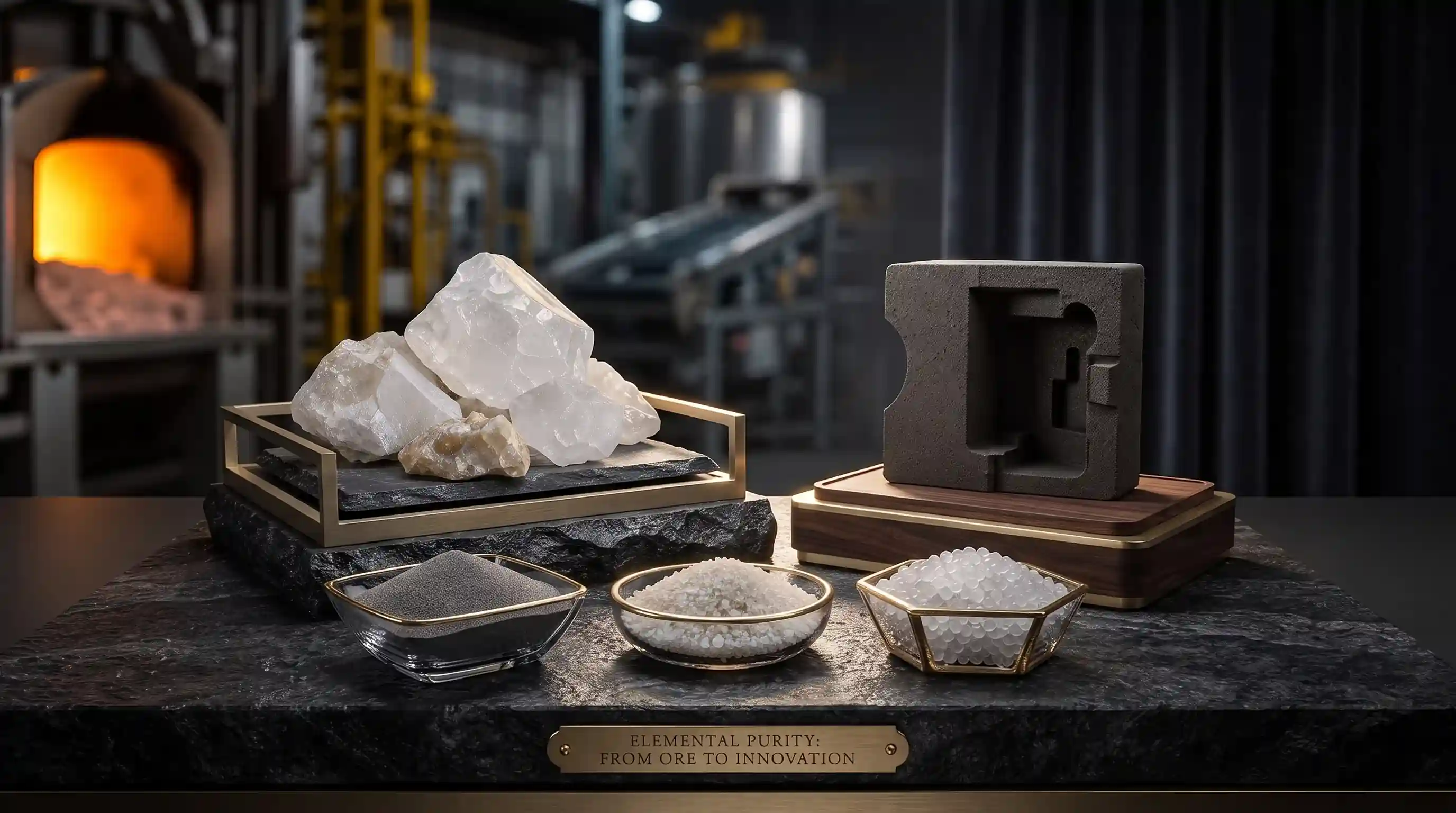
The Importance of Gradation and Mesh Range in Selecting Silica
One of the most important factors in selecting silica for any industrial application is its gradation. Gradation refers to the particle size distribution of silica and is typically expressed in "mesh" units. The mesh number indicates the number of openings per square inch of the sieve; therefore, the larger the mesh number, the finer the silica particles. Amiran Stone Minerals Project produces silica in the 10 to 450 mesh range, meaning the product contains particles ranging from coarse to very fine. This variety allows different industries to choose a product perfectly matched to their needs.
The importance of gradation in various silica applications is as follows: in the glassmaking industry, uniformity of gradation is critical for complete and uniform melting in the fuace. Inappropriate gradation causes some particles to remain unmelted and create defects in the glass. In the casting industry, sand gradation directly affects mold strength, gas permeability, and the surface quality of the final part. In the ceramics industry, finer particles increase body homogeneity and the strength of the final product. In building materials, the gradation of aggregate materials affects compressive strength and the workability of concrete.
In addition to gradation, other quality factors also play a role in selecting silica, some of the most important of which are: chemical purity (percentage of SiO₂ and impurity levels), particle shape (rounded or angular), moisture content, uniform particle size distribution, and consistency between different shipments. Silica purity is a very important criterion, because impurities such as iron oxide, alumina, and calcium can affect the quality of the final product in sensitive industries. To become more familiar with these requirements, referring to Silica Quality Standards in Mode Manufacturing Industries is recommended.
One of the advantages of purchasing silica from a reputable manufacturer is the availability of technical consultation and assistance in selecting the right product. Amiran Stone Minerals Project, with experience in the field of mineral production, offers silica in the 10 to 450 mesh range with a focus on the needs of the glass, casting, ceramics, and building materials industries. To view complete specifications and obtain silica with appropriate gradation, you can visit the silica product page. Choosing the right gradation not only guarantees the quality of the final product, but also leads to optimized energy consumption, reduced waste, and increased production efficiency. Ultimately, paying attention to technical specifications and selecting a standard product is a long-term investment for industrial success.
Quality Control, Standards, and Silica Purchasing Guide
The quality of silica directly affects the quality of final products in all the industries examined in this article. Therefore, quality control in the silica production process is an undeniable necessity. Reputable silica manufacturers apply systematic quality control processes at all stages of production: from ore extraction to processing, storage, and transportation. Common quality control tests include chemical analysis (determining SiO₂ percentage and impurities), gradation analysis (determining particle size distribution using standard sieves), moisture determination, particle shape examination, and assessment of load consistency across different shipments. For a deeper understanding of this topic, studying Silica Quality Standards in Mode Manufacturing Industries is recommended for all professionals in this field.
Consistency is the most important quality indicator in the supply of industrial raw materials. Sudden changes in silica specifications between different shipments can cause disruptions in production lines, increased waste, and degraded quality of final products. Therefore, choosing a supplier that guarantees product consistency is of critical importance. Amiran Stone Minerals Project, with years of experience in mineral production, offers silica in the 10 to 450 mesh range with primary applications in glass, casting products, ceramic products, and building materials. By applying strict quality control at all stages of production, this company strives to provide a uniform and standard product to industries.
When purchasing silica, paying attention to the following points is recommended: first, determine the exact requirements of your process (gradation, purity, moisture, and consumption volume). Then, choose a supplier that can provide product technical specifications and technical consultation. Also, value load consistency across different shipments and, if possible, test a product sample before purchase. Finally, consider proper transportation and packaging, as moisture and contamination during storage can reduce silica quality. To view specifications and purchase quality silica, you can visit the silica product page on the Amiran Stone Minerals Project website.
Ultimately, silica is not only an abundant mineral but a strategic material for the future of industry. With the expansion of advanced industries such as technical ceramics, smart glasses, precision cast parts, and sustainable building materials, the demand for quality silica with controlled gradation is on the rise. Alongside silica, familiarity with other industrial minerals is also valuable; for example, The Key Role of Industrial Talc in Improving Manufacturing Product Quality and The Role of Industrial Talc in Gypsum and Building Materials Industries can be studied. Investing in quality silica is a strategic step toward enhancing competitiveness in manufacturing industries.
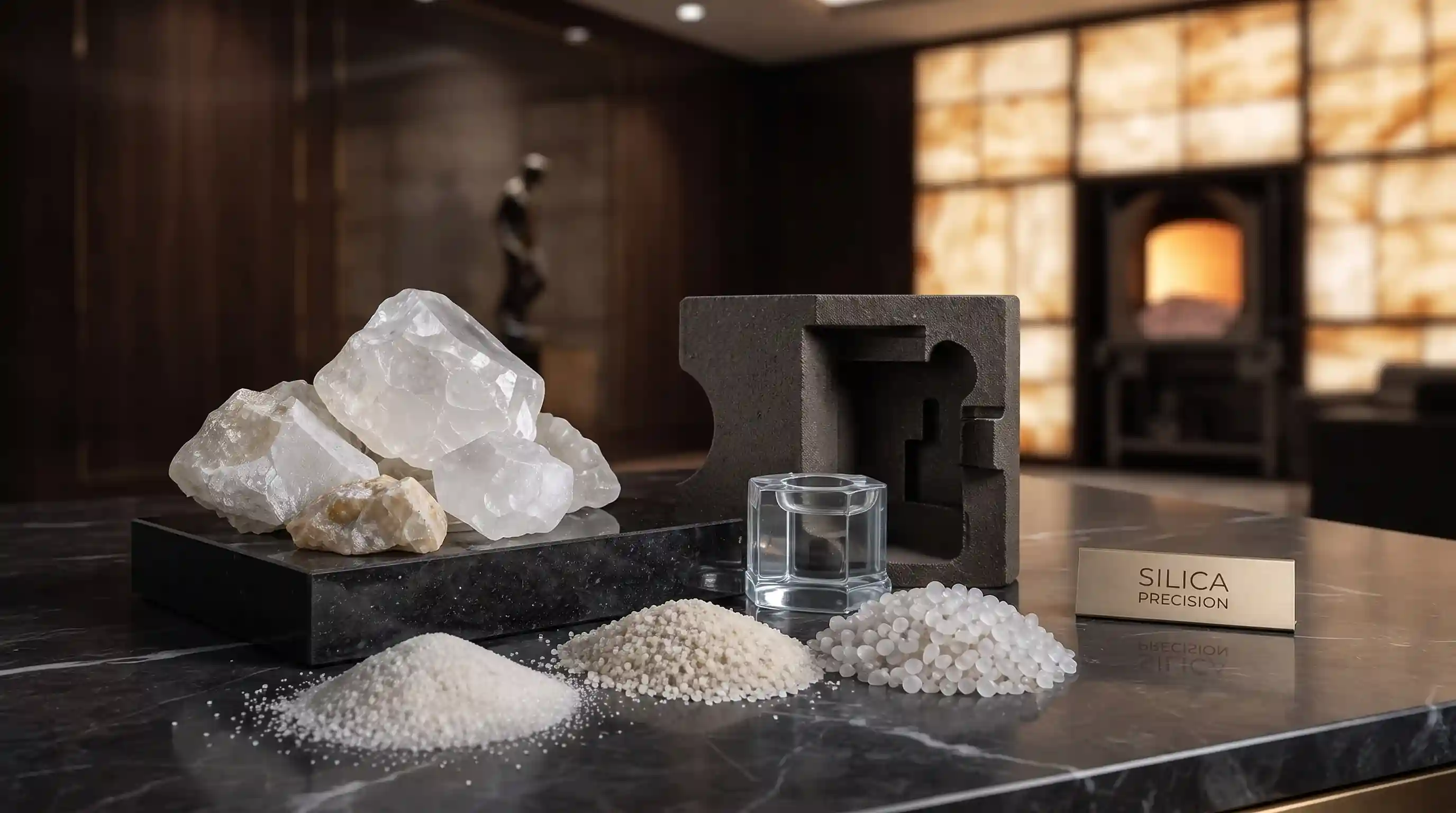
| Question | Answer |
|---|---|
| What is silica and what are its applications? | Silica (SiO₂) is an abundant mineral compound widely used in the glassmaking, casting, ceramics, and building materials industries. |
| What is the mesh range of silica offered by Amiran Stone Minerals Project? | This product is produced and offered in the 10 to 450 mesh range. |
| Why is silica used in glassmaking? | Silica is the base of the glass network; its purity and uniform gradation ensure complete melting, transparency, and high glass quality. |
| What is the role of silica in the casting industry? | Silica is the main material for molding and core sand, providing the thermal resistance and moldability needed to withstand molten metal. |
| What role does silica play in the ceramics industry? | Silica acts as a network former in the ceramic body, providing strength and thermal stability to the product. |
| Why is silica used in building materials and refractory products? | Due to its high hardness, wear resistance, and thermal stability, silica is used in concrete, sand, refractory bricks, and industrial fuaces. |
| How important is silica gradation (mesh)? | Gradation directly affects the melting process, surface quality, uniformity, and strength of the final product, and should be selected according to the application. |
| What is the importance of silica purity? | Impurities such as iron can reduce the transparency of glass and the quality of thermal products; therefore, purity is a key quality criterion. |
| How should the right silica be selected? | The process requirements (gradation, purity, consumption volume) should be determined, and the product should be obtained from a reputable supplier with load consistency. |
| Where can silica with the mentioned specifications be obtained? | Silica in the 10 to 450 mesh range is produced by Amiran Stone Minerals Project and can be obtained through the product page. |
The specifications and applications of silica presented in this article are based on the product information of Amiran Stone Minerals Project: https://ksamiran.ir/products/silica/
برچسب: Silica,The Key Role of Silica in Producing Industrial Refractory Products,
نویسنده: رساوب آفرین