
درباره سایت
آخرین مطالب
- چرا کیفیت دولومیت کانی سنگ امیران متمایز است
- The Impact of Limonite Oxide (Gole Mash) on Product Quality
- How to Measure Feldspar Purity in the Laboratory?
- الدليل الشامل لشراء السيليكا عالية الجودة للمصانع
- تأثير النقاء الكيميائي للسيليكا على جودة الزجاج الإنشائي
- لماذا تتميز جودة دولوميت کاني سنگ أميران
- Why the Quality of Kanisang Amiran Dolomite Is Distinctive
- Guide to Receiving Technical Catalogue and Expert Analysis of Silica
- كيفية قياس نقاء الفلدسبار في المختبر؟
- The Effect of Silica Chemical Purity on Architectural Glass Quality
امکانات وب
Introduction to the Importance of Silica in Mode Industries
The mineral silica is one of the most strategic and widely used elements in nature, known as the foundation of many manufacturing and construction industries. The Kani Sang Amiran project, focusing on the principled extraction and processing of this mineral, plays a key role in meeting the needs of various industries. Accurate understanding of the physical characteristics and grading of this material is the first step toward maximizing efficiency in industrial production lines.
In this specialized article, we examine the various dimensions of using this strategic mineral. Before finalizing your purchasing decision, we suggest taking a look at the Comprehensive Guide to Expert Consultation Before Buying Silica to familiarize yourself with all its technical and practical points. In the industrial production process, careful selection of raw materials guarantees the quality of the final product, and this material holds a special place due to its purity and variety in mesh sizes.
The country's key industries have a direct dependency on the sustainable supply of this mineral. Therefore, a careful examination of mesh size ranges and their compliance with production standards prevents overhead costs and increases productivity. In the upcoming chapters, we will take a closer look at the applications of this material in the fields of glass, foundry, ceramics, and building materials.
To choose the best material, sometimes it is necessary to also know complementary minerals. For example, studying the Specialized Guide to Choosing Suitable Feldspar for Industry can provide you with a comprehensive perspective on raw material composition. Understanding the qualitative differences of minerals and knowing their technical characteristics is considered the core infrastructure for success in materials engineering and industrial production.
The Vital Role of Silica in the Glassmaking Industry
The glassmaking industry is one of the oldest and yet most advanced fields requiring massive amounts of high-quality silica. This material acts as the primary network former in the glass structure and regulates its melting point and thermal stability. The proper grading of this mineral plays a direct role in preventing the formation of bubbles and impurities in the final glass product.
By offering this product in a standard mesh range of 10 to 450 mesh, the Kani Sang Amiran project makes it possible to use it in various flat glass melting fuaces, glass containers, and fiberglass. Proper particle size distribution ensures that the melting process is carried out with greater uniformity and less energy is consumed in the fuaces.
The quality of raw materials used in the glass industry directly affects the transparency and mechanical strength of the product. To ensure the authenticity and quality of the material, it is recommended to utilize technical evaluation techniques. Accordingly, a careful study of the Guide to Identifying High-Quality Silica from Inferior Samples helps manufacturers prevent costly errors in glass production lines.
Adherence to grading standards and strict control of impurities are two fundamental principles in the preparation of glassmaking raw materials. The presence of this mineral with a high purity percentage makes the melt flow smoother and significantly increases the lifespan of industrial pots and fuaces.
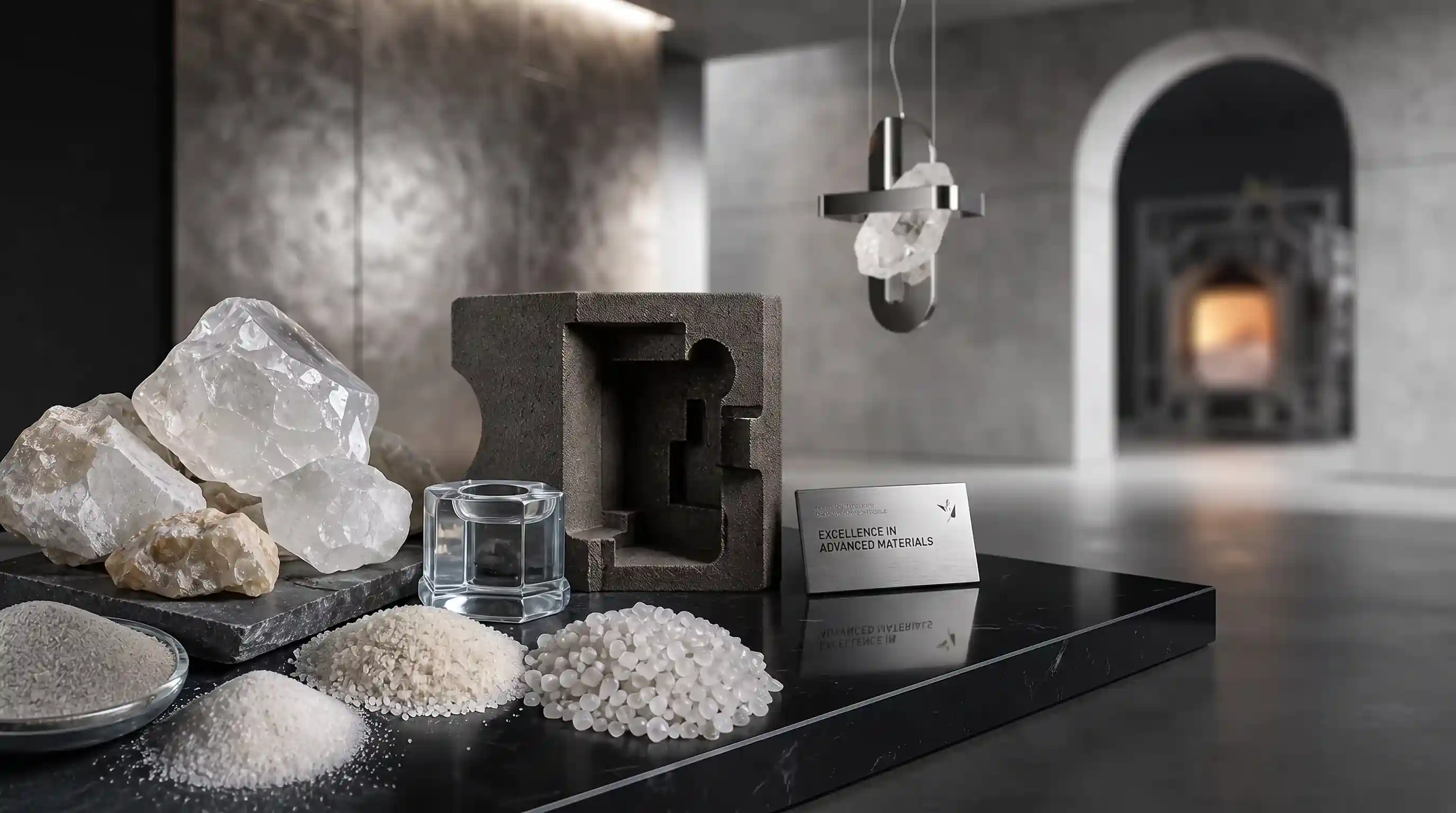
Specialized Application of Silica in Foundry Products
Metal casting industries heavily depend on silica to make sand molds and cores. High thermal resistance, non-reactivity with molten metals, and appropriate gas permeability are among the features that make this mineral an unrivaled choice in iron, steel, and non-ferrous metal casting.
By supplying this product in various mesh ranges (10 to 450 mesh), the Kani Sang Amiran project thoroughly covers the needs of both traditional and advanced molding shops. The precise grading of this product helps make the surface of cast parts smoother, minimizing the need for post-production finishing operations.
Resistance to severe thermal shocks when pouring molten metal into the mold is another key advantage of using this mineral. Experts in this field always emphasize the necessity of careful pre-purchase evaluation; therefore, utilizing guidance resources and specialized consultations before buying plays an important role in selecting the correct mesh size required for casting.
Ultimately, correct selection of grading based on the type of cast alloy prevents problems such as bu-on, gas pinholes, and component cracking. Taking these industrial needs into account, the Kani Sang Amiran project offers a homogeneous and standardized product to the market.
Application of Various Silica Meshes in the Ceramic Industry
In the ceramics industry, silica is used as a non-plastic component in the bodies of tiles, ceramics, chinaware, and glazes. By controlling thermal shrinkage during the drying and firing stages, this material prevents ceramic products from warping and cracking.
The 10 to 450 mesh range provided by the Kani Sang Amiran project gives ceramic manufacturers the freedom to design precise body and glaze formulations. Finer micronized powders are used for glazing, while coarser grains are applied for product bodies.
The presence of this material in the ceramic structure improves the mechanical strength and chemical stability of the fired parts. Precise control of crystalline and amorphous phase percentages in the ceramic firing process depends entirely on the purity and homogeneous grading of this mineral.
Using suitable meshes alongside other mineral raw materials such as feldspar creates a proper thermal and physical balance in the kiln. Ceramic factories can guarantee the quality and consistency of their manufactured products by utilizing Kani Sang Amiran's standard products.
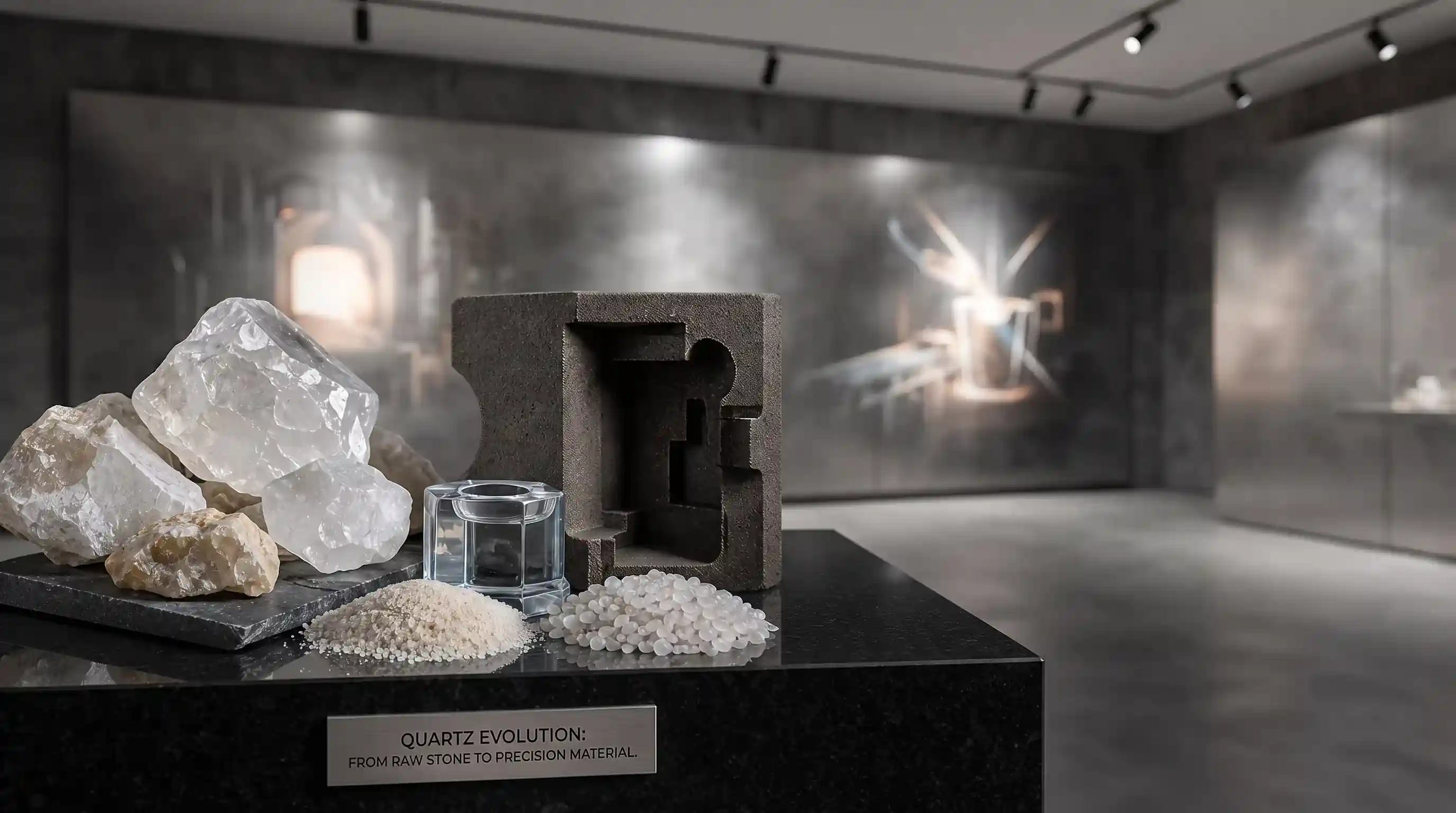
The Role of Silica in Upgrading the Quality of Building Materials
The construction industry is a major consumer of minerals, and silica holds a special place in the production of specialized concrete, dry mortars, tile adhesives, epoxy flooring coatings, and mode building materials. Due to its high hardness and resistance to environmental factors, this material increases the durability of structures.
The Kani Sang Amiran project supplies this product with gradings tailored to the needs of the construction industry. Using various meshes of this material in massive concrete pouring prevents shrinkage phenomena and improves compressive strength.
In the production of dry mortars and construction adhesives, the precise powder grading of this material improves workability, adhesion, and mortar setting time. The particle size distribution is such that inter-granular voids are minimized, and the final density of the materials is maximized.
Compliance with quality standards in supplying construction materials guarantees the safety and longevity of civil projects. By offering this functional mineral, the Kani Sang Amiran project has taken a firm step toward the sustainable supply of the country's construction industry infrastructure.
Technical Review of the 10 to 450 Mesh Range and the Importance of Grading
The grading and particle size distribution of silica is one of the vital parameters in process engineering and industrial production. The 10 to 450 mesh range offered by the Kani Sang Amiran project covers a wide spectrum of grading needs, from coarse-grained sands to very fine micronized powders.
Coarser meshes (lower numbers such as 10 to 50 mesh) are mostly used in foundry, water treatment, and building materials applications; whereas finer meshes (such as 200 to 450 mesh) are used for advanced glassmaking industries, ceramic glazes, and specialized filters.
Precision in mesh sizing prevents the accumulation of heterogeneous particles in the final formulation and improves the efficiency of chemical and thermal reactions in fuaces. Accurate milling and grading require advanced industrial equipment, which is implemented in Kani Sang Amiran's production lines.
An accurate understanding of production line requirements helps engineers choose the mesh suitable for their application. Precise evaluation of particle sizes through quality control tests ensures the stability of the production process and prevents losses caused by raw material inhomogeneity.
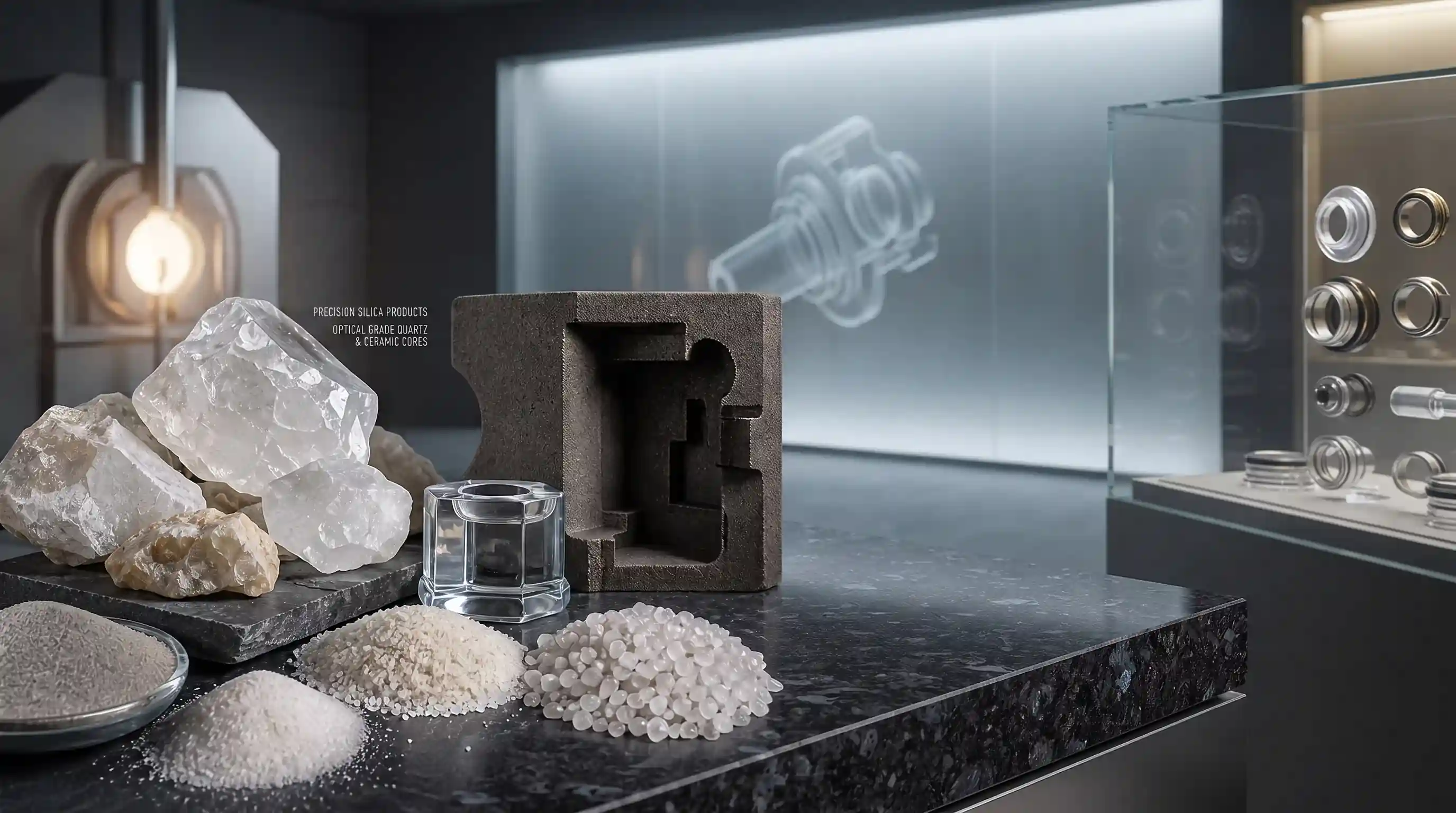
Supply and Quality Control Challenges in the Silica Production Chain
The supply chain of silica from mine to factory requires strict engineering supervision so that the final product is free of harmful impurities such as iron oxides. The presence of impurities can alter the glass color or disrupt the melting point in the ceramics and foundry industries.
Utilizing strict quality control standards, the Kani Sang Amiran project supplies a homogeneous product that meets the requests of industrial customers. Continuous monitoring of the purity percentage and mesh distribution guarantees quality stability in shipped consignments.
Logistics and warehousing management of this mineral also require special conditions to prevent moisture absorption and particle contamination. The sustainable and timely supply of raw materials is the primary conce of factory managers, which is resolved through meticulous production plaing.
Cooperating with reputable mineral suppliers minimizes the risks arising from raw material quality fluctuations. With a commitment to providing standard products, Kani Sang Amiran is considered a reliable partner for the country's key industries in supplying this vital material.
Conclusion and Outlook for the Sustainable Supply of Industrial Minerals
In this specialized article, various dimensions of silica applications in the glass, foundry, ceramics, and construction materials industries were examined. It became clear that the correct selection of the mesh range (10 to 450 mesh) and attention to raw material quality play a decisive role in improving efficiency and reducing production costs.
Focusing on the standard supply of this mineral, the Kani Sang Amiran project responds to the growing needs of various industries. Continuity in offering high-quality and homogeneous products brings genuine value creation to industrial production lines.
Relying on the technical information provided and consulting with mineral sector specialists, industrial managers and engineers can make the best decisions in selecting the mesh and formulation of their raw materials. The outlook of the mineral production industry is based on quality, precision, and sustainability in supply.
For more information and to view product details, please visit the dedicated product page. Investing in high-grade raw materials will lay the foundation for producing high-quality and competitive final products in domestic and inteational markets.
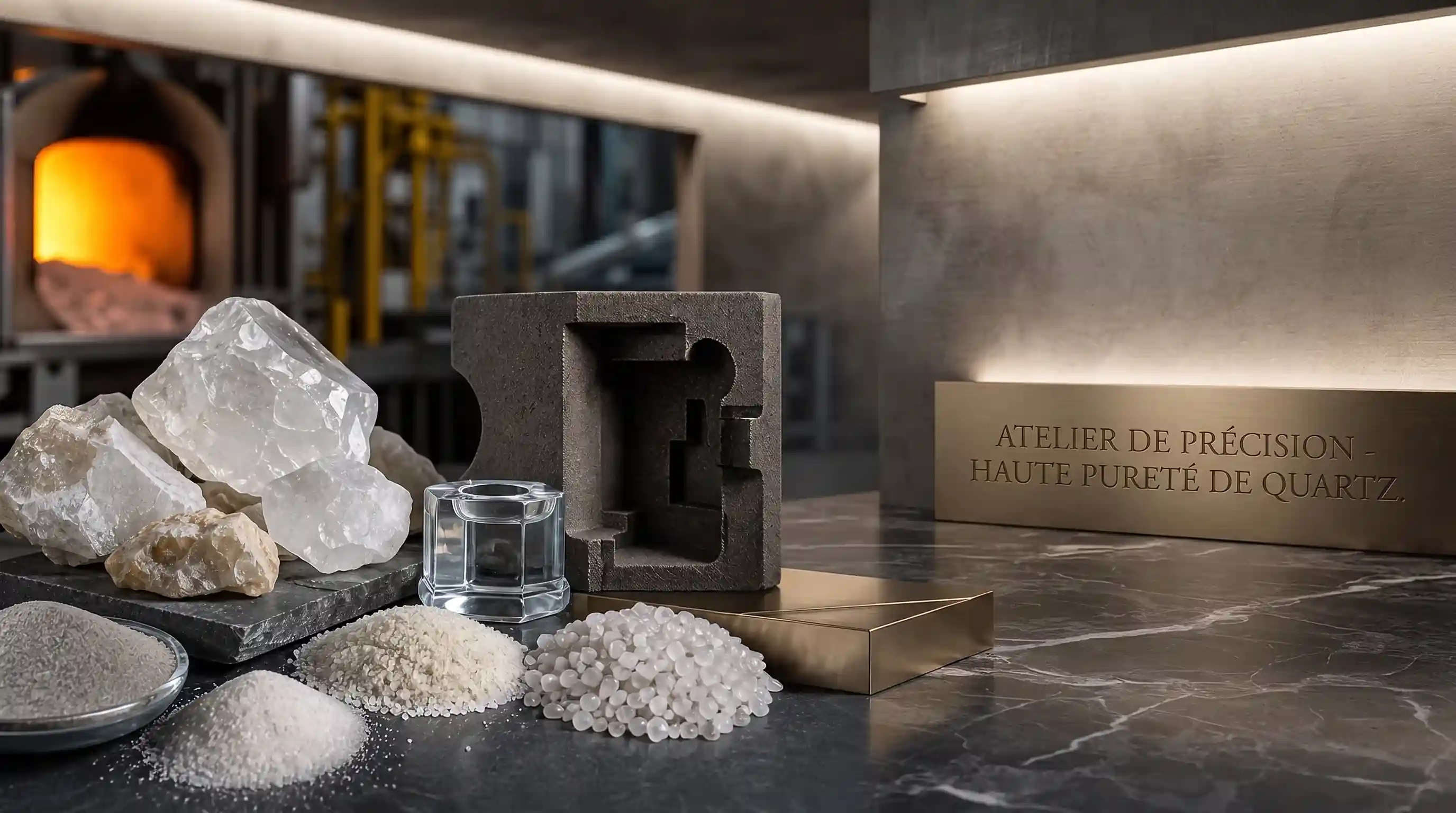
| Question | Answer |
|---|---|
| What is silica and what are its applications? | Silica is a strategic mineral widely used in the glass, foundry, ceramics, and construction materials industries. |
| What is the mesh grading range of the supplied silica? | This product is supplied and offered in the range of 10 to 450 mesh by the Kani Sang Amiran project. |
| Is silica used in the glassmaking industry? | Yes, it is used as the primary network former in the glass structure and as a melting point and thermal stability regulator. |
| What is the role of silica in foundry industries? | It is used for making sand molds and cores, and for resisting the thermal shocks of molten metals. |
| What is the application of silica in the ceramics industry? | It is used as a non-plastic component in tile, ceramic, and glaze bodies to control thermal shrinkage. |
| Why is silica grading important in industries? | Proper grading prevents the accumulation of heterogeneous particles and improves the efficiency of thermal and chemical reactions. |
| How can high-quality silica be identified? | It is determined by examining the purity percentage, the absence of iron impurities, and compliance with the standard mesh range. |
| What is the status of silica supply in building materials? | It is used in the production of specialized concrete, dry mortars, and construction adhesives to increase durability and strength. |
| How can one receive specialized consultation before buying? | You can get consultation by reading specialized pre-purchase guides and contacting the experts of the Kani Sang Amiran project. |
| Where can we view Kani Sang Amiran products? | They can be viewed through the official products page on the Kani Sang Amiran website. |
Specialized reference for mineral information and silica processing - Kani Sang Amiran project.
برچسب: Silica,Specialized Guide to Supplying Silica for Key Industries,
نویسنده: رساوب آفرین